Meteorite Science
The 10 Most Famous Meteorites in History
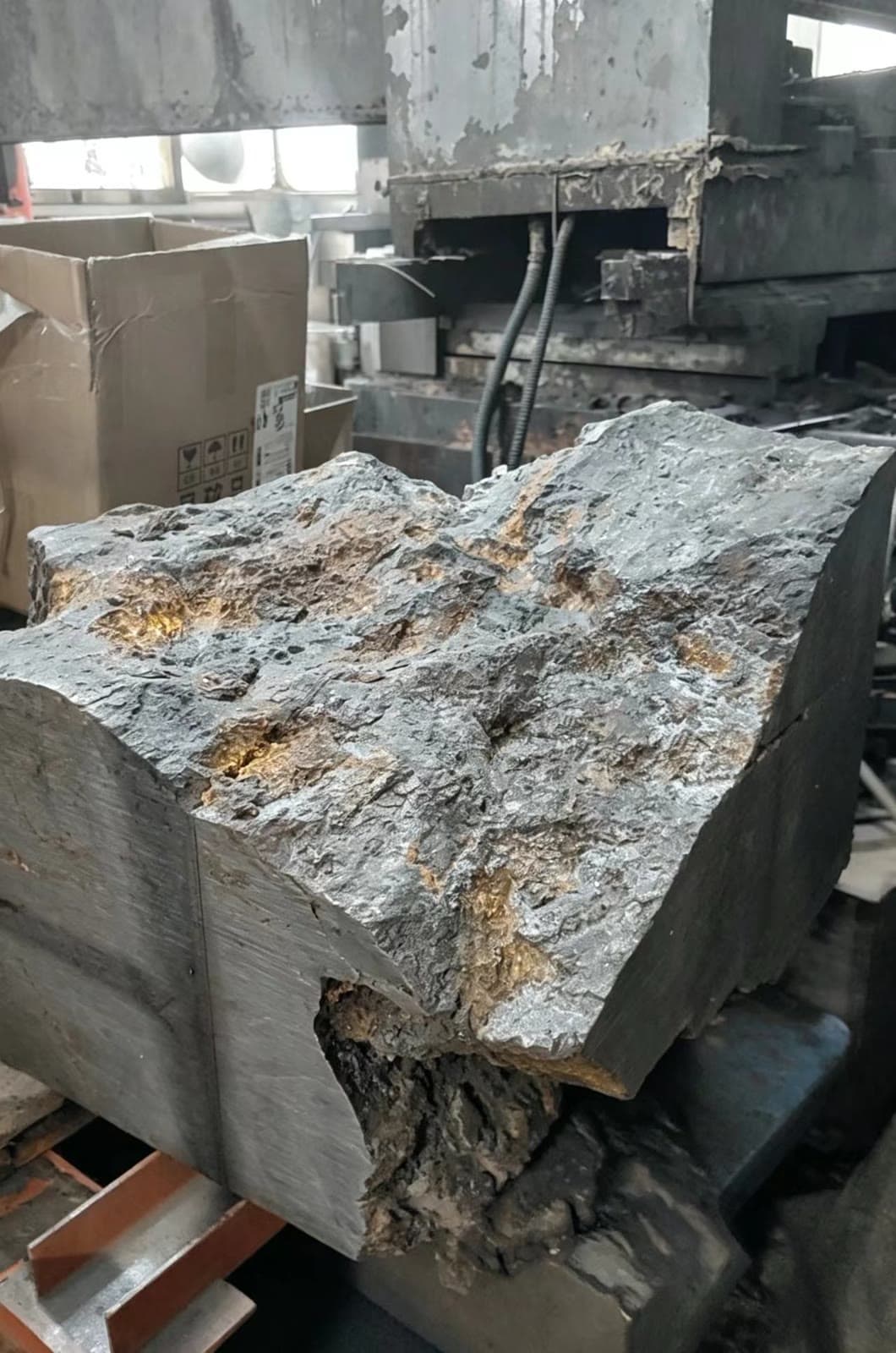
Some meteorites are famous for their size, some for the craters they blasted, some for the science they rewrote, and some simply for falling in front of a million cameras. Here are ten of the most famous meteorites ever recorded — what they are, where they fell, and why the world remembers them.
The 10 most famous meteorites
| Meteorite | Where | Type | Famous for |
|---|---|---|---|
| Hoba | Namibia | Iron | Largest ever found (~60 t) |
| Willamette | USA (Oregon) | Iron | Largest found in the US (~15 t) |
| Canyon Diablo | USA (Arizona) | Iron | Dug out Meteor Crater |
| Sikhote-Alin | Russia | Iron | Witnessed 1947 iron shower |
| Allende | Mexico | Stony (carbonaceous) | Oldest matter in the solar system |
| Murchison | Australia | Stony (carbonaceous) | Contains amino acids |
| Chelyabinsk | Russia | Stony | 2013 airburst, filmed worldwide |
| Ensisheim | France | Stony | Oldest preserved recorded fall (1492) |
| Gibeon | Namibia | Iron | Classic jewelry meteorite |
| Campo del Cielo | Argentina | Iron | Huge ancient strewn field |
Hoba — the largest ever found
Discovered by a farmer plowing a field in Namibia in 1920, the Hoba meteorite weighs around 60 tonnes— the largest single meteorite known, and one of the largest pieces of natural iron on Earth’s surface. It is so massive it has never been moved from where it landed, and today it is a protected national monument visited by travelers from around the world.
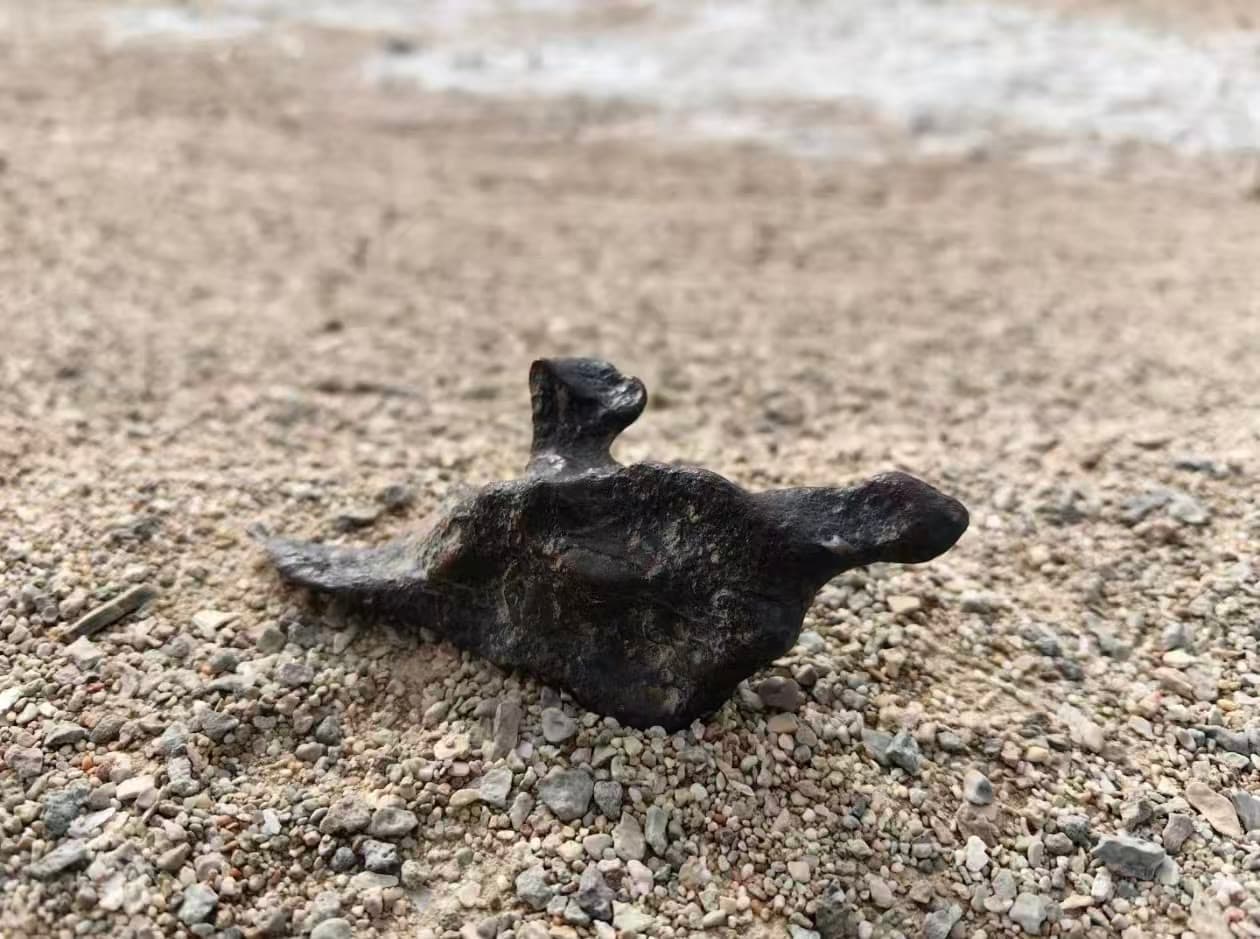
Sikhote-Alin — a witnessed iron rain
On 12 February 1947, a huge iron meteorite broke apart over the Sikhote-Alin mountains in eastern Russia, scattering thousands of fragments across the forest in a blazing, witnessed fall. Its pieces are prized for their dramatic shrapnel shapes and deep regmaglypts — the thumbprint-like dimples carved by atmospheric melting. It is one of the most famous iron meteorite falls ever seen by human eyes.
Allende — the oldest matter
When Allende fell over Mexico in 1969, it dropped thousands of stones right as scientists were gearing up to study the first returned Moon rocks. It is a carbonaceous chondrite containing pale inclusions (CAIs) that are among the oldest solid materials in the solar system— about 4.567 billion years old. More than half a century later, it remains one of the most studied meteorites in history, often called “the best-studied meteorite of all time.”
Chelyabinsk — caught on camera
On 15 February 2013, a roughly 20-metre space rock entered the atmosphere and exploded in a brilliant airburst over Chelyabinsk, Russia. The shockwave shattered windows across the city and injured around 1,500 people, mostly from flying glass. Because it happened over a city full of dashboard cameras, it became the most thoroughly recorded meteor event in history — a vivid reminder that meteorites are still falling today.
The famous meteorites you can wear
You can’t take home Hoba or Chelyabinsk — but several of the world’s most famous meteorites are available to collectors, and are the very materials cut into jewelry and display pieces. Each polishes beautifully and carries a pattern that can’t be reproduced on Earth:
- Gibeon — Namibia’s classic iron, fine Widmanstätten lattice, a favorite for rings.
- Campo del Cielo — Argentina’s ancient iron strewn field, the ideal first specimen.
- Muonionalusta — Sweden’s crisp, high-contrast iron.
- Seymchan — a Siberian meteorite that is both iron and gem pallasite.
- Sericho — Kenya’s gem pallasite, glowing with olivine.


New to all this? Start with what is a meteorite, the types of meteorites, and the astonishing meteorites from Mars and the Moon.
Frequently asked questions
- A few compete for the title. The Hoba meteorite in Namibia is the largest single meteorite ever found (around 60 tonnes) and has never been moved. The Chelyabinsk meteorite (Russia, 2013) is the most-watched, filmed by thousands of dashcams as it exploded over a city. Allende (Mexico, 1969) is the most scientifically important, containing some of the oldest matter in the solar system.