Meteorite Science
What Is a Meteorite? The Complete Beginner's Guide
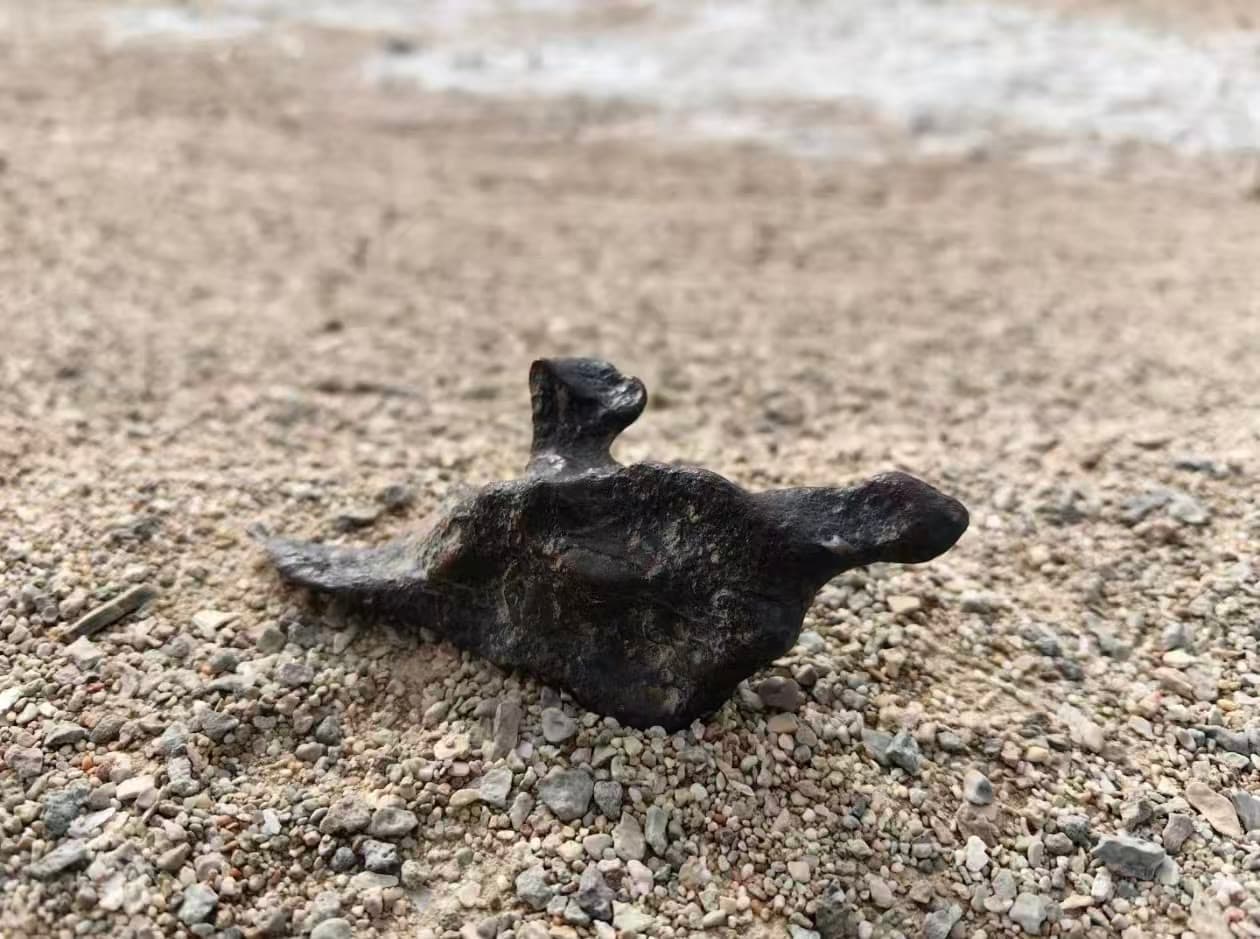
A meteoriteis a piece of space — a fragment of rock or metal, almost always from an asteroid, that survived a fiery fall through Earth’s atmosphere and landed on the ground. Most are around 4.5 billion years old, older than the Earth itself. This guide explains exactly what a meteorite is, where they come from, the different types, and how to tell a genuine one from an ordinary rock.
What is a meteorite?
In plain terms, a meteorite is a rock from space that reached the ground. It began as debris left over from the birth of the solar system — usually a chunk of an asteroid — drifting through space for billions of years. When Earth’s gravity pulls one in, it slams into the atmosphere at tens of thousands of kilometres per hour, heats up, and blazes across the sky. The small fraction that survives and lands is the meteorite. Everything about it — its weight, its dark crust, its metal — is a record of that journey.
Meteoroid vs. meteor vs. meteorite
Three words, one object at three stages of its journey. This is the single most common point of confusion, so here it is at a glance:
- Meteoroid — the rock while it is still out in space, before it reaches us.
- Meteor — the bright streak of light as it burns through the atmosphere. This is the “shooting star” you wish on. A meteor is an event, not an object you can hold.
- Meteorite — the solid piece that survives the fall and lands. This is the rock you can pick up, cut, and wear.
And an asteroid? That’s the much larger parent body out in space — meteoroids and meteorites are the small pieces that break off them. A comet is an icy body; most of the meteorites that reach the ground come from rocky and metallic asteroids, not comets.
Where do meteorites come from?
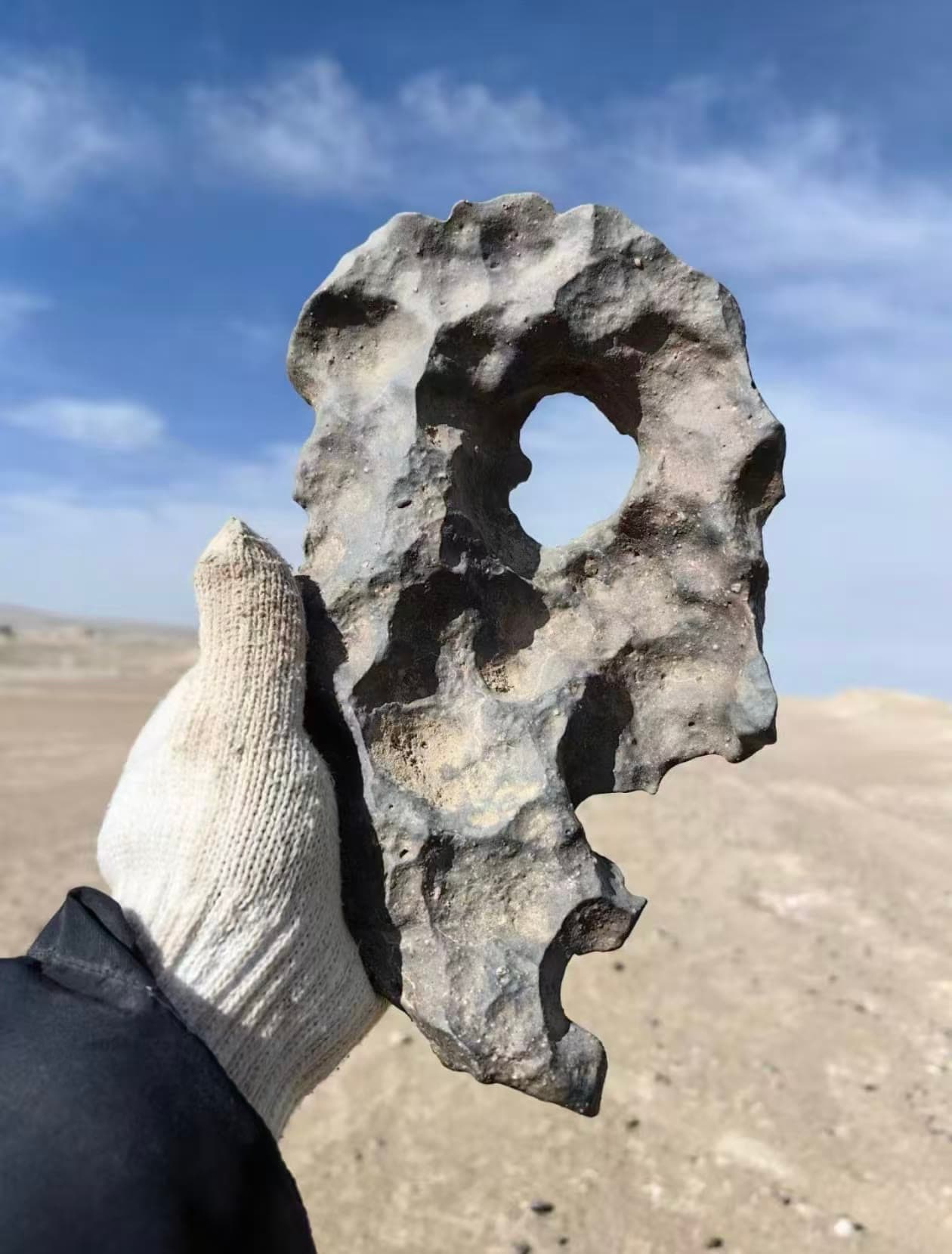
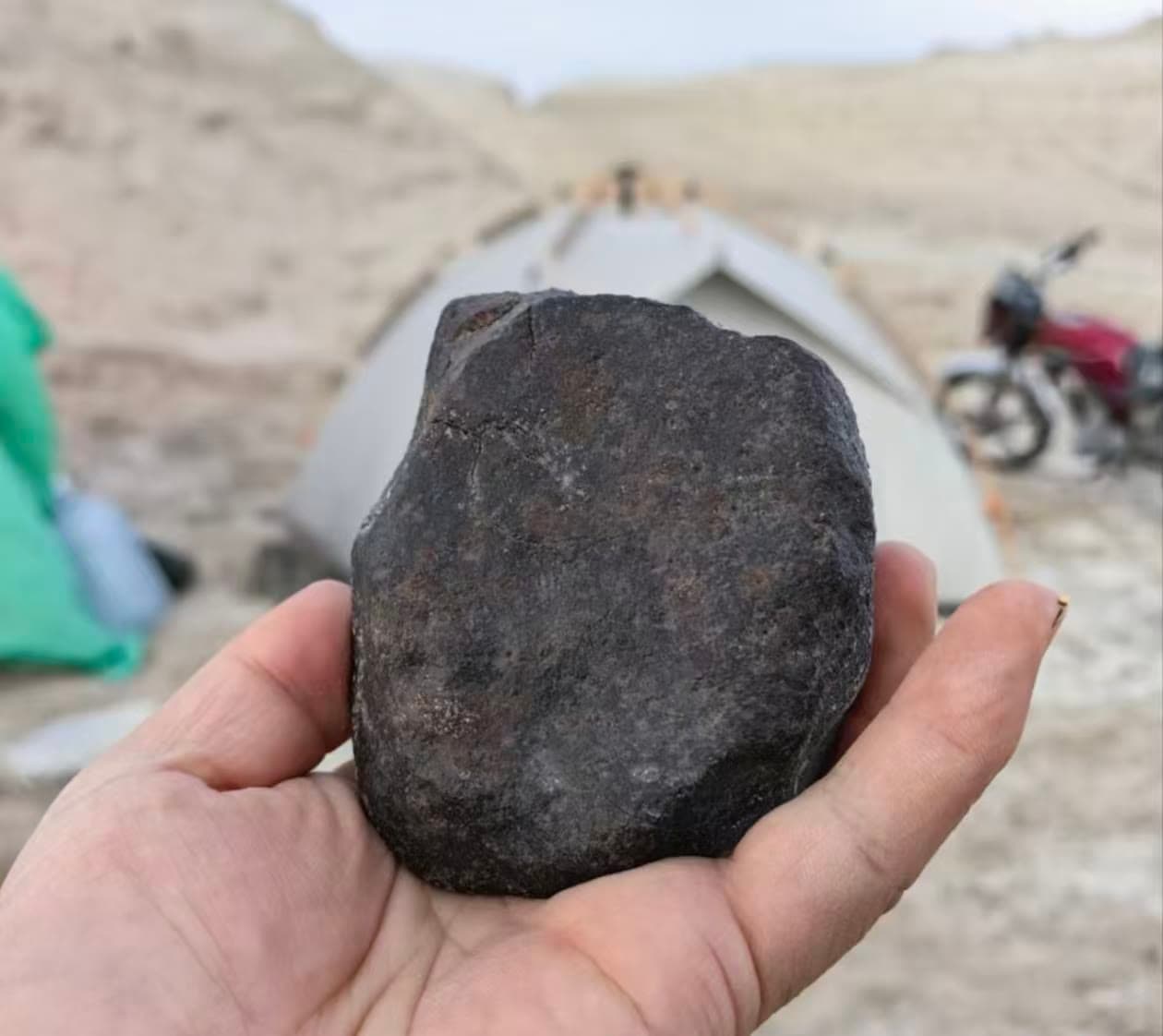
The vast majority come from the asteroid belt between Mars and Jupiter, where leftover building blocks of the solar system collide and send fragments our way. Because they formed about 4.5 billion years ago and never became part of a living planet, meteorites are some of the oldest, most pristine material you can ever touch. A rare few are even blasted off the Moon and Mars by impacts and eventually fall to Earth — see our guide to Mars and Moon meteorites.
The three main types
Every meteorite falls into one of three broad families:
| Type | What it is | Known for |
|---|---|---|
| Iron | Nickel-iron metal from an asteroid’s core | The Widmanstätten pattern; rings & pendants |
| Stony | Rock (chondrites & achondrites) | The most common kind to fall |
| Stony-iron | A mix of metal and gem crystals | Pallasites — the rarest and most beautiful |
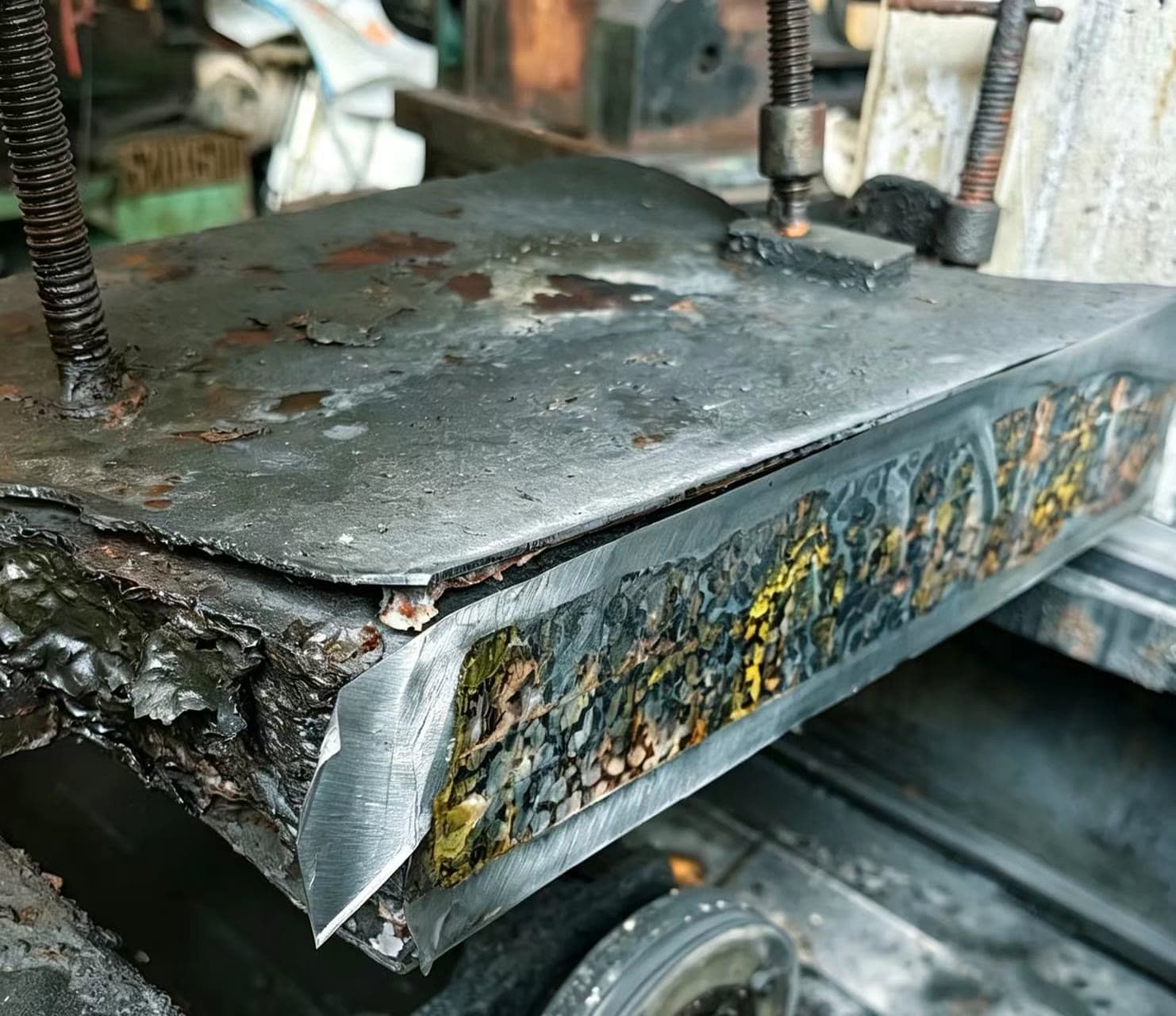
Iron and stony-iron meteorites are the ones most often cut into jewelry and display pieces, because the metal takes a mirror polish and reveals patterns that can’t be faked. For the full breakdown, see types of meteorites, the pallasite guide, and the Widmanstätten pattern explained.

How to tell if you found one
Most “meteor-wrongs” are ordinary Earth rocks. Quick checks that settle it:
- Heavy for its size — meteorites are denser than typical rock.
- Magnetic — most contain iron, so a strong magnet is attracted.
- Fusion crust — a fresh fall has a thin, dark, slightly glossy skin from burning through the air.
- No holes or bubbles — vesicles usually mean slag or volcanic rock, not a meteorite.
- Not in bedrock — meteorites land as loose individual stones; they don’t form inside rock layers.
Full walk-through in how to tell if a meteorite is real.
Are meteorites valuable?
Yes — far rarer than people realise. All the meteorite material ever collected on Earth would barely fill a few shipping containers. Common iron and stony meteorites are surprisingly affordable, while rare types — pallasites, and especially Martian and lunar meteorites — can be worth more per gram than gold. Price comes down to type, size, condition and provenance. See how much a meteorite is worth.
How to own a meteorite
You don’t need a telescope or a museum budget to own a genuine piece of space. A polished iron meteorite slice, a pendant, or a meteorite ring puts 4.5 billion years of history in your hand — each one unique, each with a certificate of authenticity. We find ours in the desert and cut them in our own workshop; see how we hunt them.
Frequently asked questions
- A meteorite is a piece of rock or metal from space — usually a fragment of an asteroid — that survived its fiery fall through Earth's atmosphere and landed on the ground. While it is still travelling in space it is called a meteoroid; the bright streak it makes falling is a meteor (a 'shooting star'); the piece you can actually pick up is the meteorite.