Field Story
How We Hunt the Meteorites We Sell: Inside a Desert Expedition
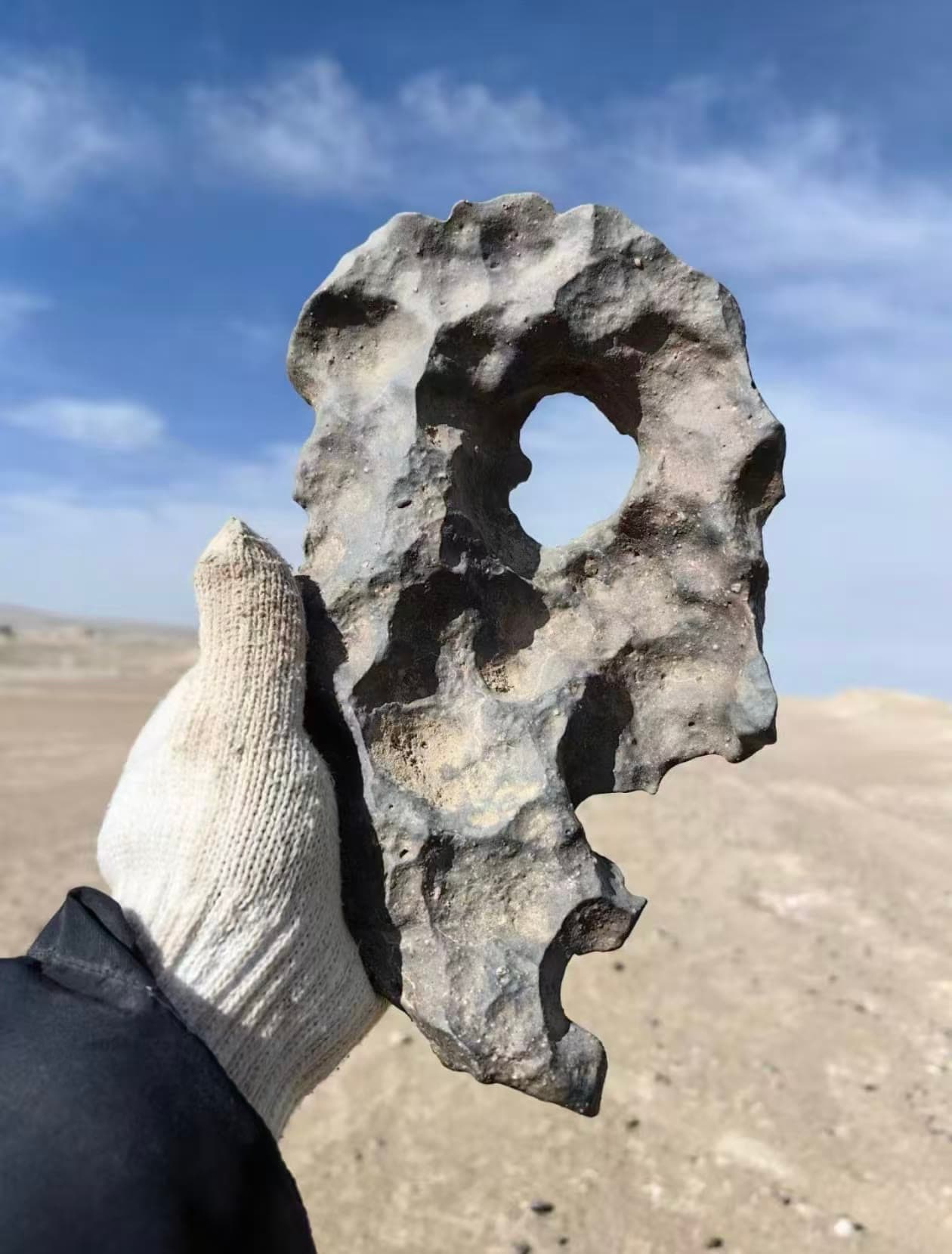
Most meteorite jewelry is sold by people who have never seen where their stones came from. We take a different path. The meteorites we sell are ones we find ourselves — recovered by hand on expeditions into the deserts of Africa, then cut and crafted in our own factory. This is what that actually looks like.
Why we hunt our own
Buying through a middleman means trusting a chain of hands you can’t see. By going to the source, we know exactly what a piece is and where it came from — which is the whole point of owning a meteorite. It’s slow, expensive, and there are no guarantees you’ll find anything. But it’s the only way we’re willing to do it, and it’s why we can put a certificate of authenticity behind every piece.
Where meteorites are found
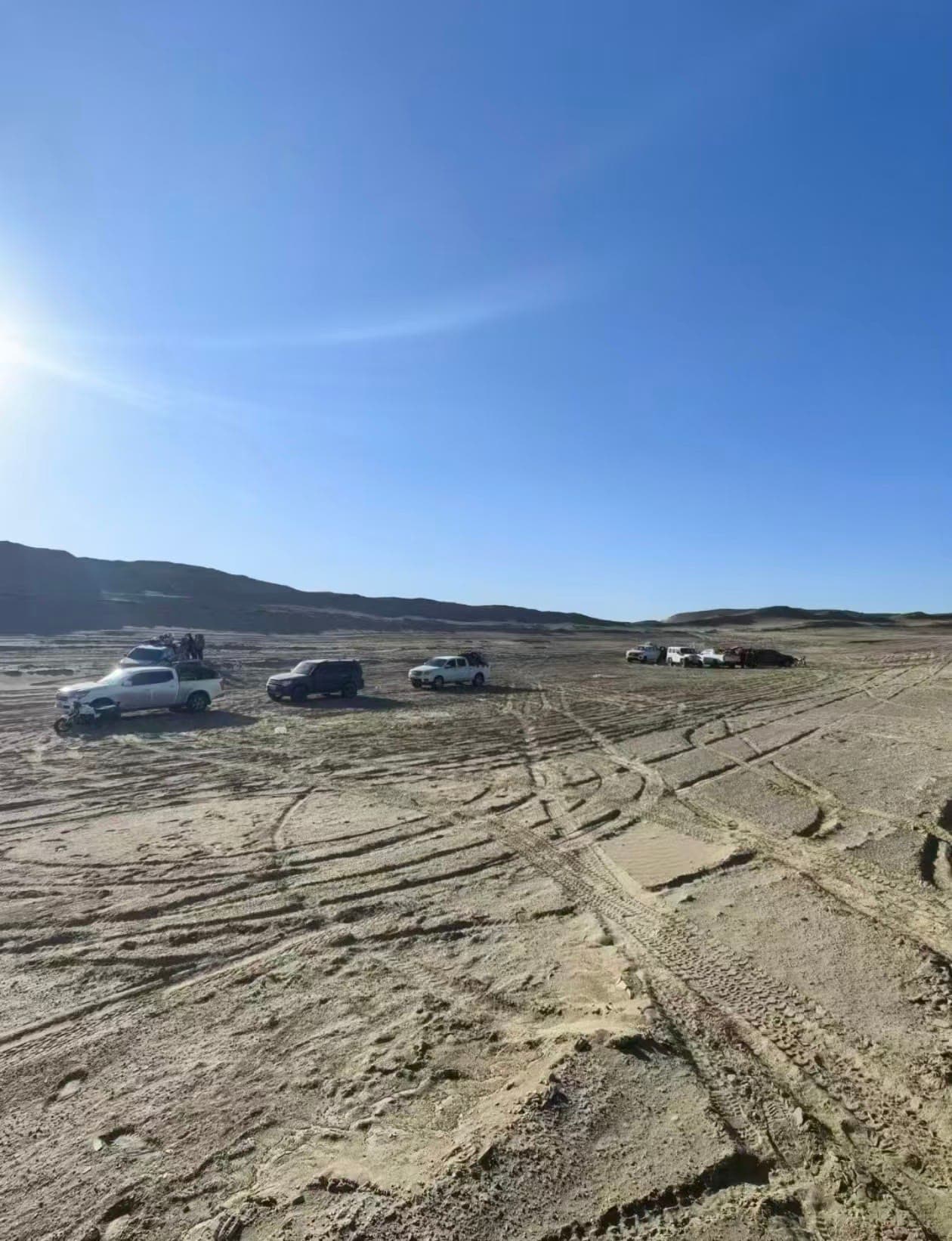
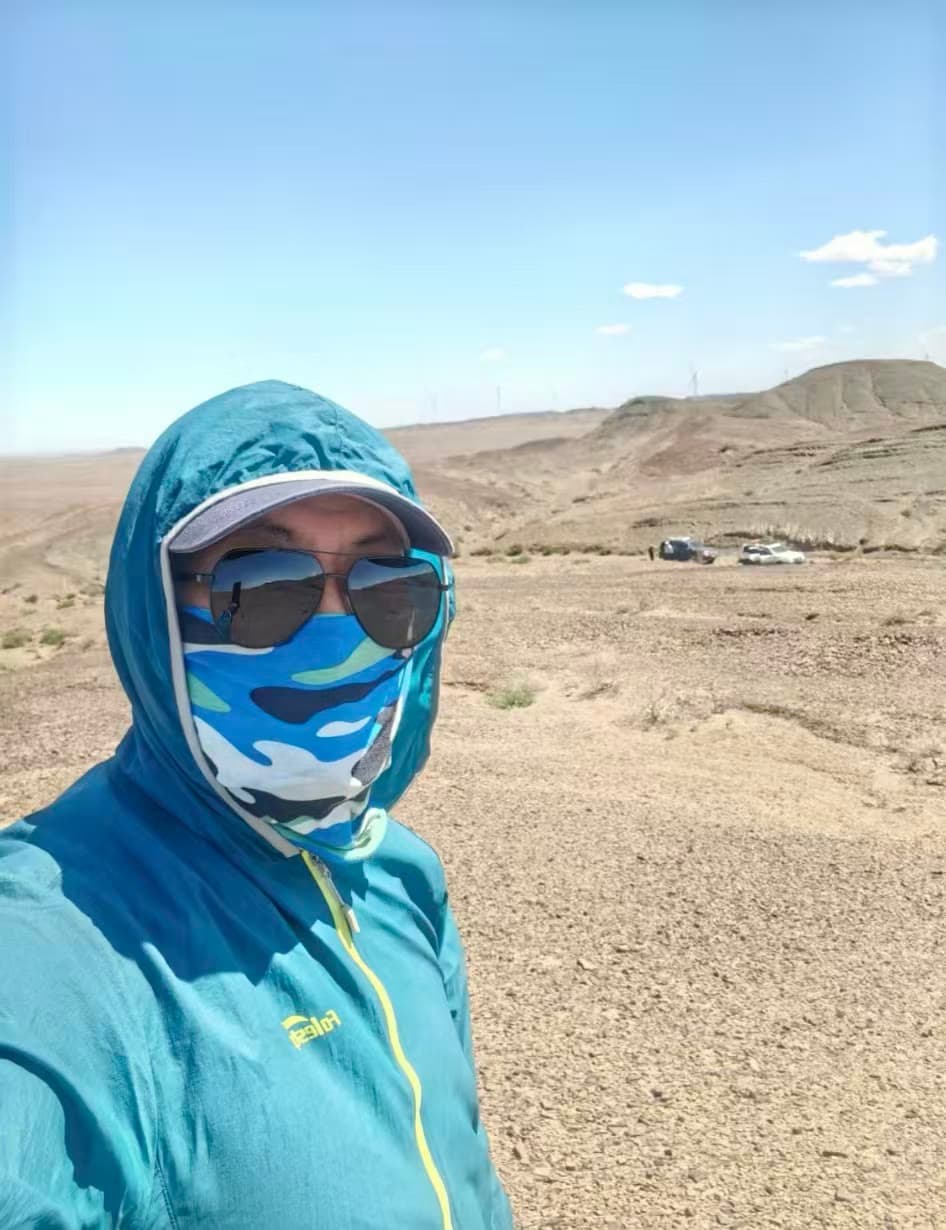
Meteorites fall everywhere on Earth, but they survive and are found best in one kind of place: dry, bare desert. The deserts of Africa are among the richest meteorite grounds in the world. Pale, open ground makes a dark, iron-rich stone easy to spot, and the arid climate slows rusting so a rock that fell thousands of years ago can still be sitting right on the surface. We travel to many different sites across these regions.
How we search a strewn field
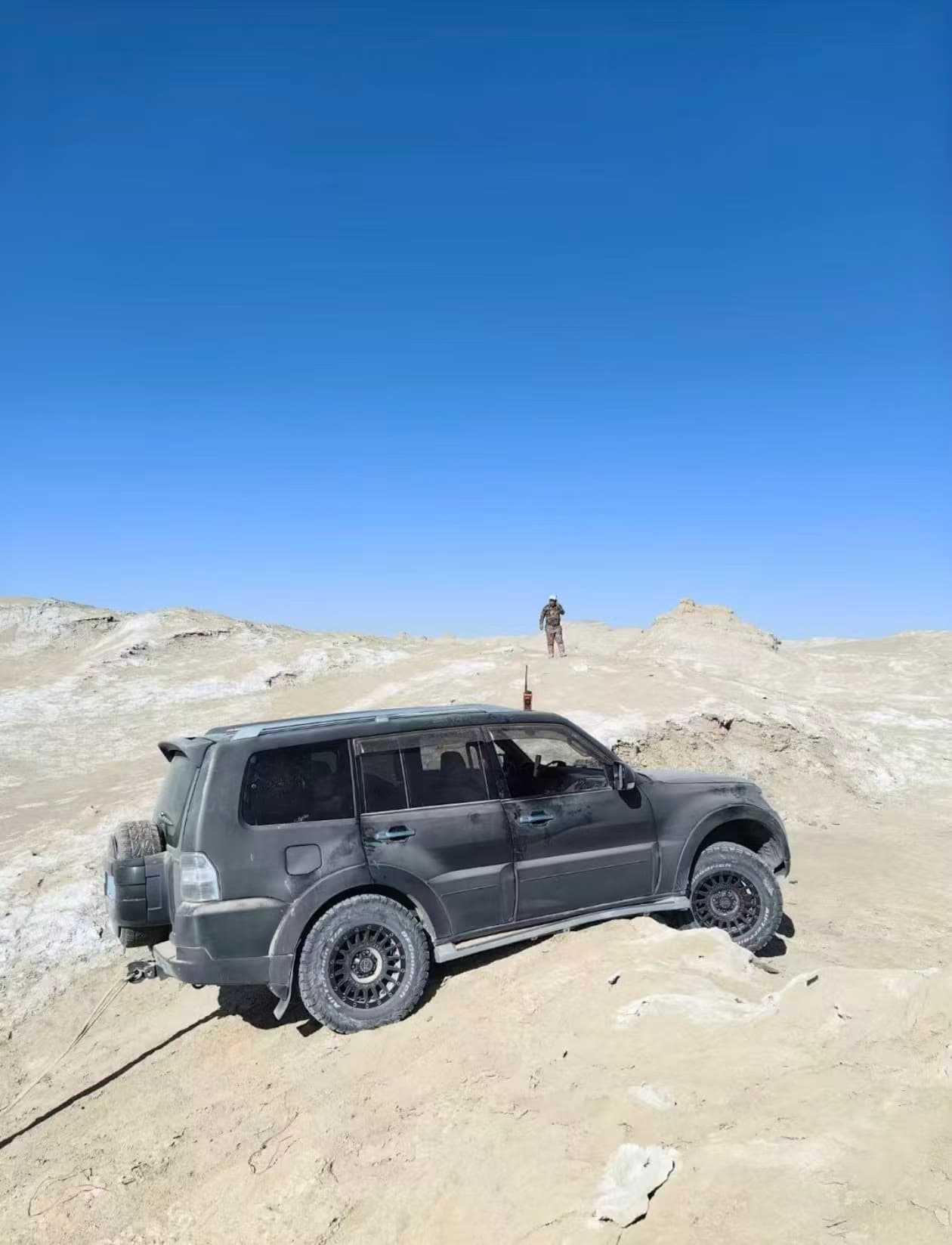
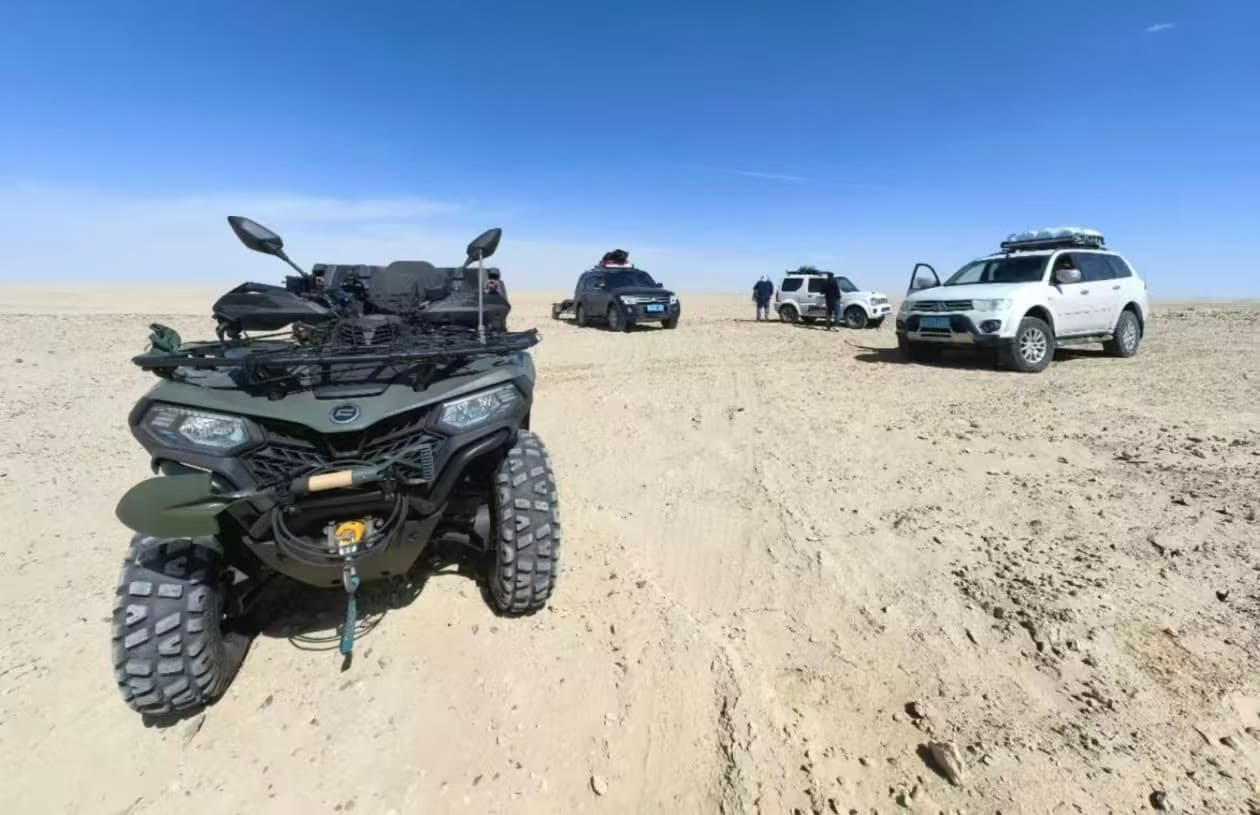
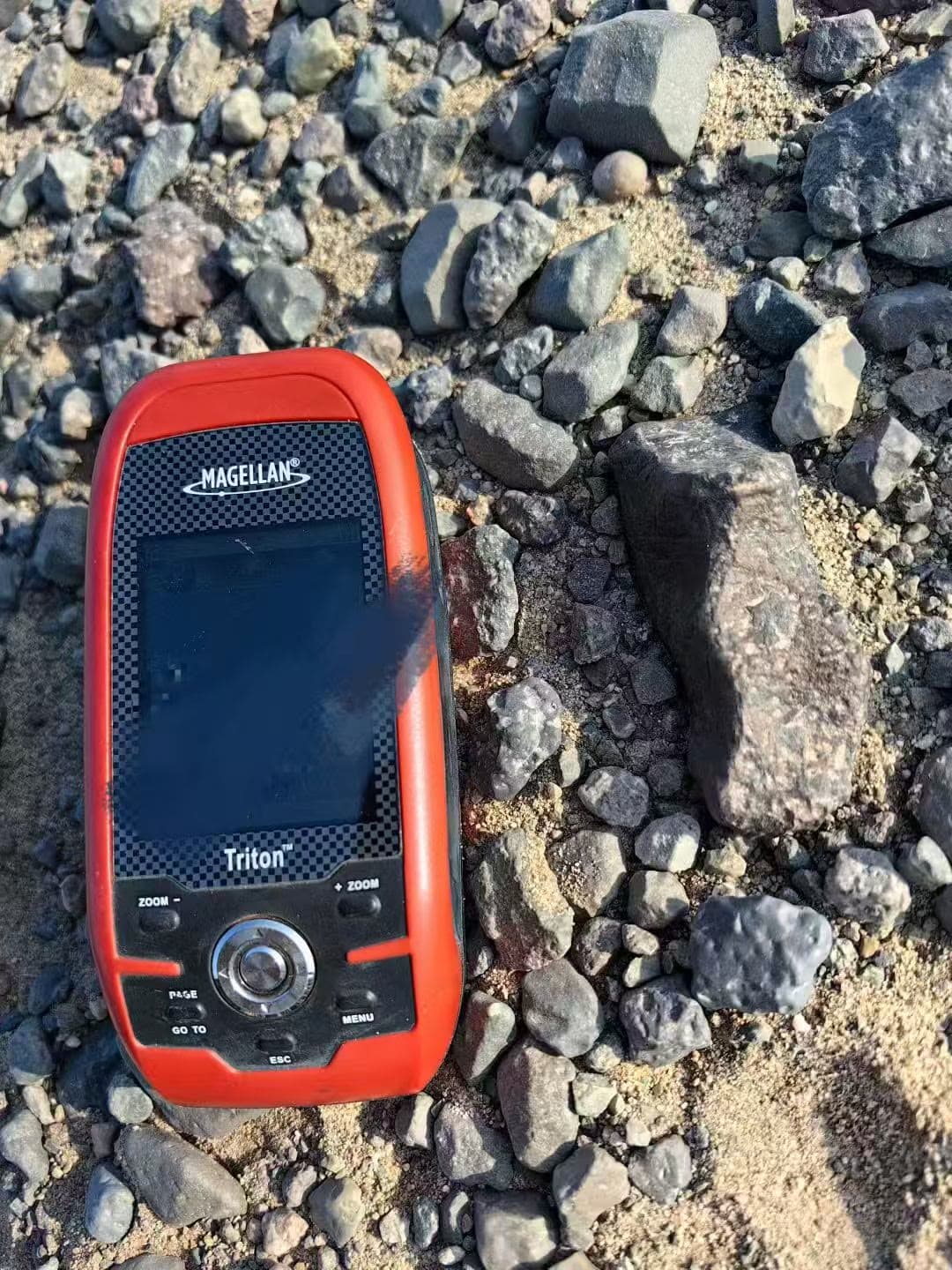
When a meteorite breaks up on its way down, it scatters fragments across an elongated zone called a strewn field. Searching one is patient, physical work. We cover ground on foot and by vehicle, scanning the surface by eye and with metal detectors, often for days at a time. The moment a promising stone turns up, we mark it: every find is logged by GPS exactly where it lay, so its recovery is documented.
What a real find looks like
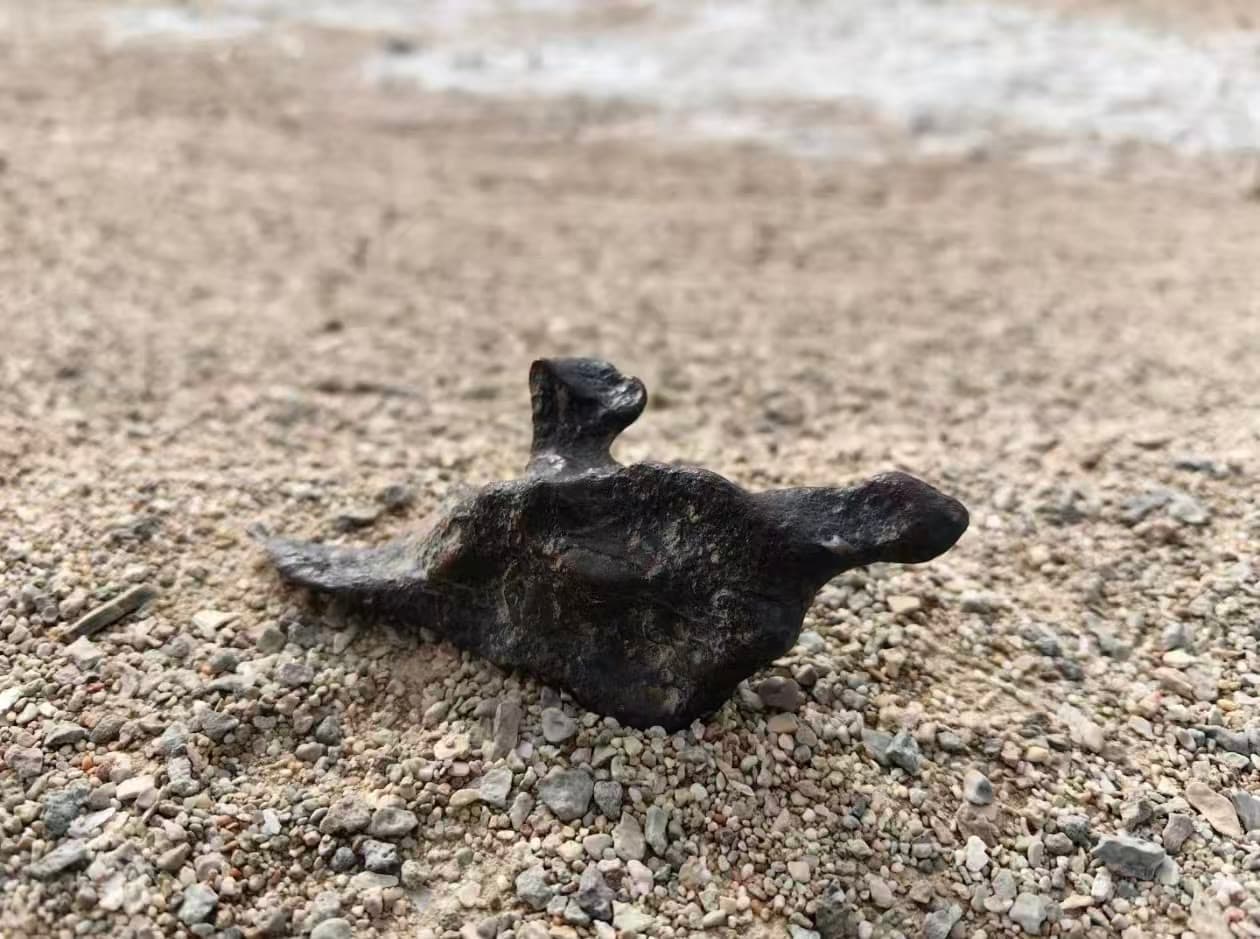
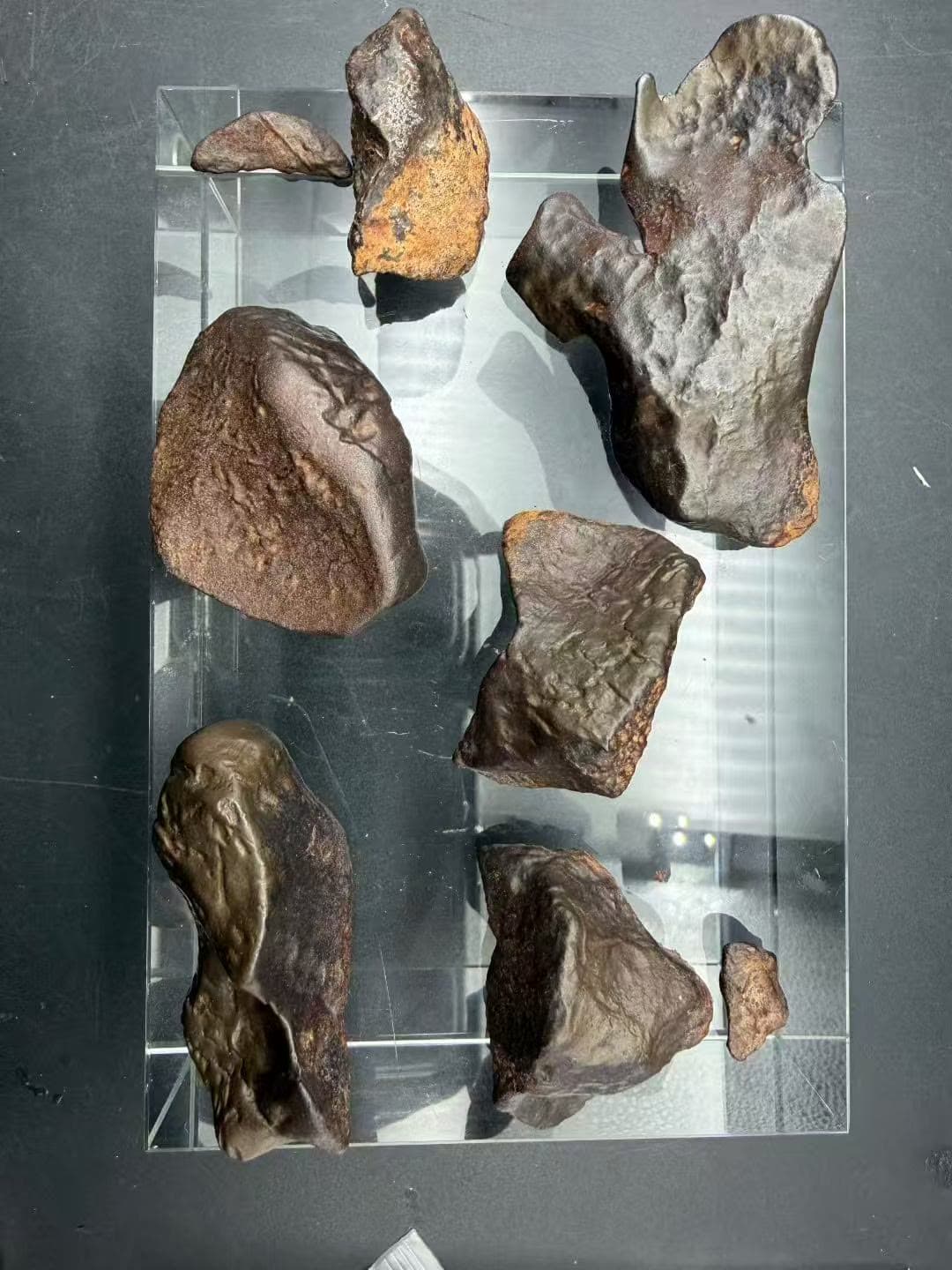
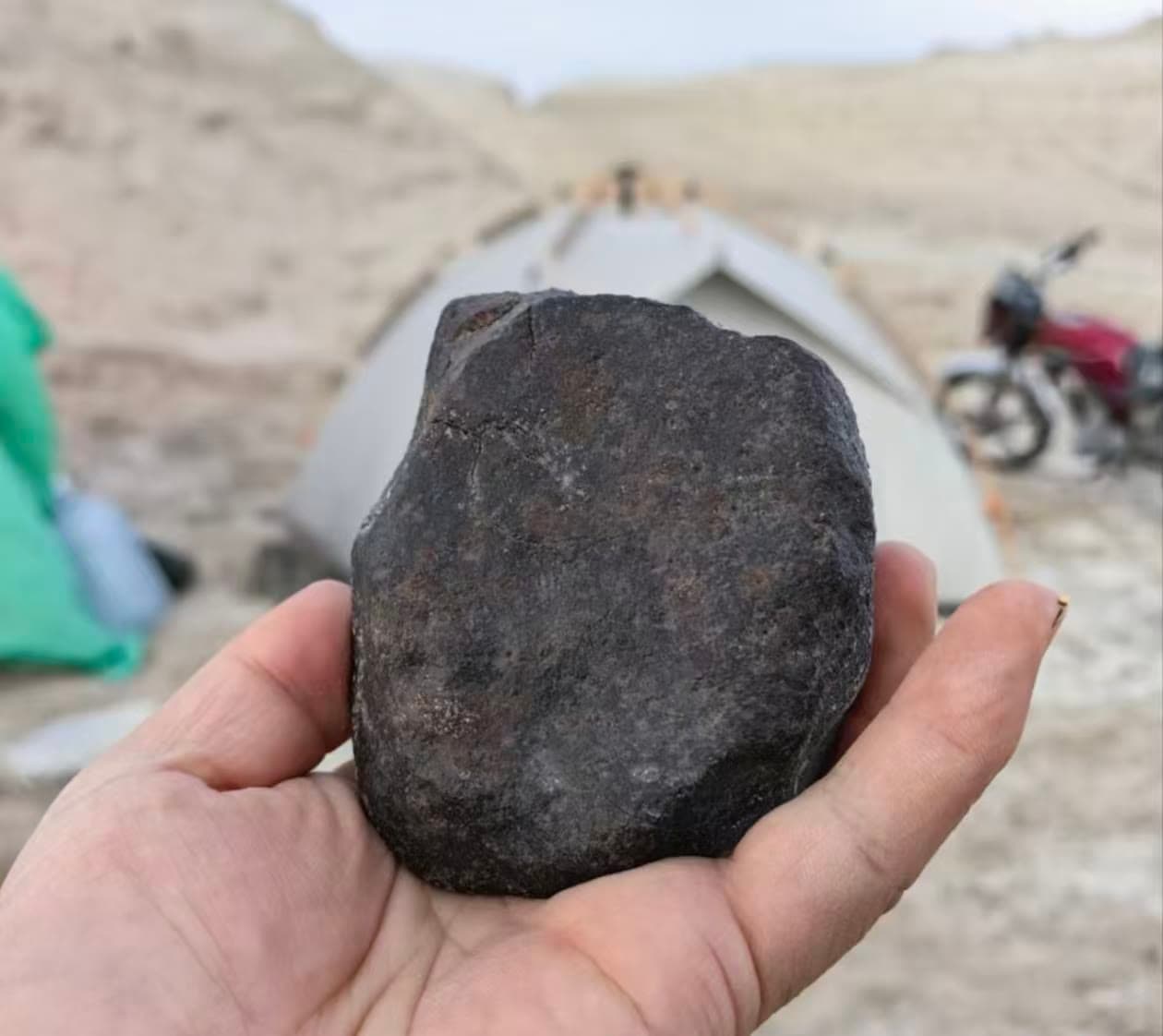
In the field you learn to read a stone fast. A genuine meteorite usually wears a dark fusion crust — the thin, glassy skin scorched on as it burned through the atmosphere — and often shows regmaglypts, the shallow “thumbprint” hollows pressed into its surface during that fiery descent. Most are noticeably heavy for their size and tug at a magnet, because they carry iron and nickel. Some irons even survive the fall twisted and pierced into shapes no earthly rock makes. (The full checklist is in how to tell if a meteorite is real.)
From the desert to our factory
Finding the stone is only half the story. Each meteorite we recover is carried home and taken to our own factory, where it’s cut, acid-etched to bring out the Widmanstätten pattern, and shaped into a finished ring, pendant, or display specimen. Because we control every step — the hunt, the cutting, the crafting — there’s no middleman markup, and nothing gets swapped along the way.
Why this matters to you
When you wear one of our pieces, you’re not wearing something that passed through a dozen anonymous hands. You’re wearing a specific stone that a real person walked out into a real desert and found — documented, certified, and crafted in-house. Found by us in the field, cut in our own factory, worn by you.That’s the difference you can’t see in a photo, but it’s the reason the piece is real.
Frequently asked questions
- Most meteorites are recovered from deserts and dry lakebeds, where the dark, iron-rich stones stand out against pale ground and the dry climate slows weathering so they survive for thousands of years. Hunters search a strewn field — the elongated zone where fragments of a single fall scattered — on foot and by vehicle, scanning the surface by eye and with metal detectors, and logging each find by GPS.