Meteorite Science
Carbonaceous Chondrite: The Meteorite That Carries Water & the Seeds of Life
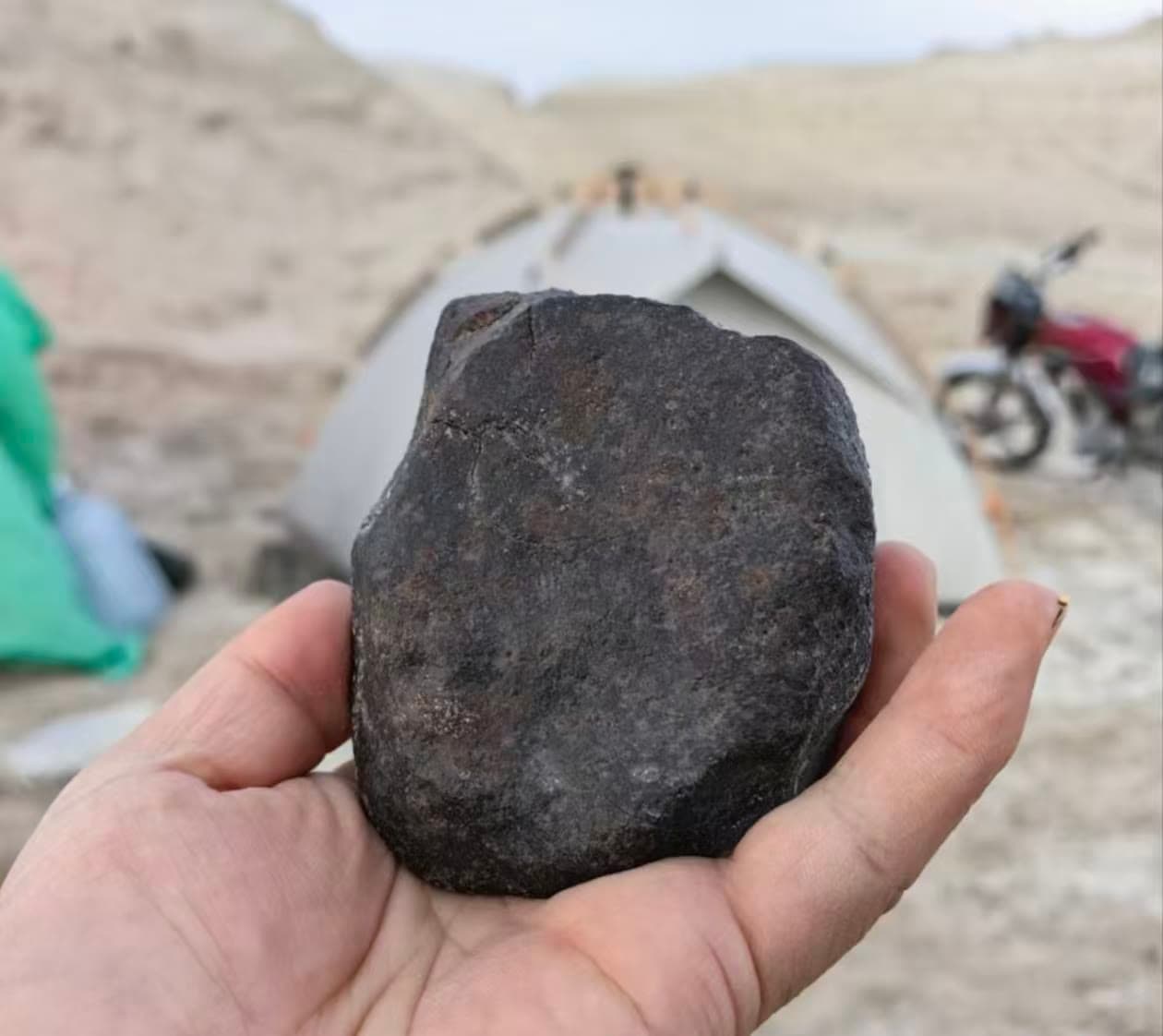
A carbonaceous chondrite is the rarest and most remarkable kind of chondrite. Carbon-rich and born in the cold outer reaches of the young solar system, many of these meteorites still carry water locked in their minerals and organic molecules — even amino acids, the building blocks of proteins. They are the closest thing we have to a sample of the original material that built the planets, and possibly seeded life itself.
What is a carbonaceous chondrite?
Like all chondrites, it is a primitive, unmelted stony meteorite that still holds chondrules — but this group also contains significant carbon, which gives it a dark, sooty colour. It formed far enough from the Sun that ice and volatile compounds survived, so its minerals trapped water and carbon chemistry that hotter, inner meteorites lost. New to the subject? Begin with what is a meteorite and the parent category, the chondrite.
Water, carbon & the seeds of life
In 1969 the Murchison meteorite fell in Australia — and scientists found it contained dozens of amino acids, some not used by life on Earth. That was powerful evidence that the chemistry of life can assemble in space. Carbonaceous chondrites are a cornerstone of the theory that asteroids delivered much of our planet’s water and organic material.
The main groups
| Group | Named after | Known for |
|---|---|---|
| CI | Ivuna | Most primitive; closest to the Sun’s composition; very water-rich |
| CM | Mighei | Rich in organics (e.g. Murchison) |
| CV | Vigarano | Full of ancient CAIs (e.g. Allende) |
| CO / CR / CK | Ornans / Renazzo / Karoonda | Other distinct early-solar-system conditions |
Famous examples
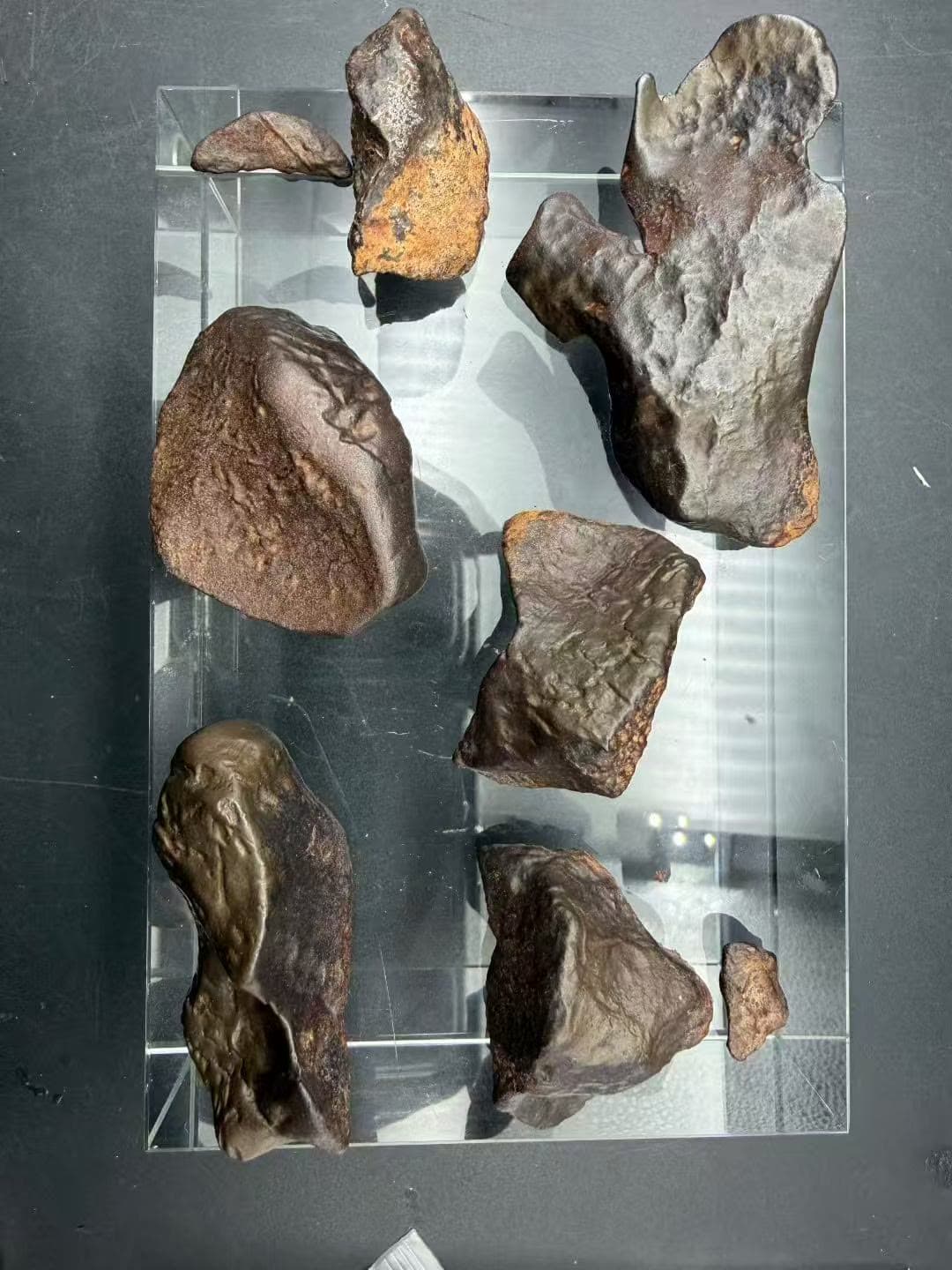
Two names come up again and again: Allende (Mexico, 1969), the most-studied meteorite in history and packed with the oldest solids in the solar system; and Murchison (Australia, 1969), the one that revealed extraterrestrial amino acids. Both appear in our round-up of the most famous meteorites.
Sample-return missions
Carbonaceous material is so valuable that space agencies have flown to collect it directly. Japan’s Hayabusa2 returned samples of asteroid Ryugu, and NASA’s OSIRIS-REx brought back pieces of asteroid Bennu in 2023 — both carbonaceous bodies. Early analysis confirmed water-bearing minerals and organic compounds, exactly what the fallen meteorites had hinted at.
How to spot one
- Dark, sooty colour — the carbon makes them among the blackest meteorites, often matte rather than shiny.
- Lightweight & fragile — many are soft enough to mark paper and crumble easily.
- Weak magnetism — far less metal than an iron or ordinary chondrite.
- Tiny chondrules & white flecks — small spheres and, in CV types, pale CAI inclusions.
Because they weather so quickly, a genuine, well-preserved carbonaceous chondrite almost always comes from a documented fall — so provenance and a certificate matter even more than usual. See how to tell if a meteorite is real and how this group fits the family tree in types of meteorites.
Frequently asked questions
- A carbonaceous chondrite is a rare, carbon-rich type of chondrite meteorite that formed in the cold outer part of the solar nebula. Many contain water locked in their minerals and complex organic molecules — including amino acids — which is why they are central to the study of how life on Earth may have begun.