Meteorite Science
Chondrite Meteorite: Chondrules & the Oldest Rock You Can Hold
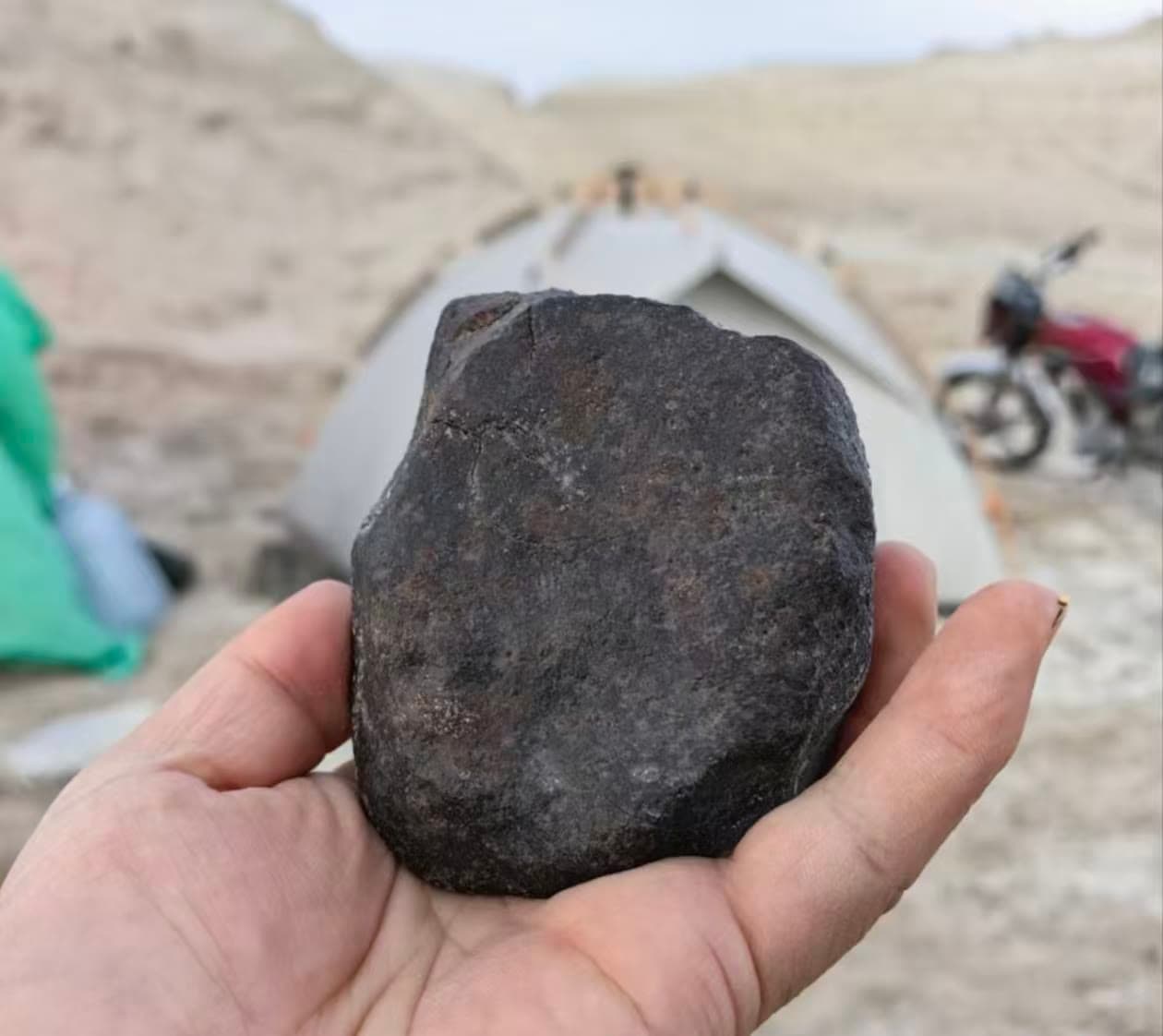
The chondrite is the most common meteorite in the universe to reach Earth — and one of the most remarkable. It is a primitive stony meteorite that was never melted, so it still holds chondrules: tiny droplets of rock that froze at the very birth of the solar system, about 4.56 billion years ago. Chondrites are the original building blocks of the planets, preserved. They are the main branch of the stony meteorites.
What is a chondrite?
A chondrite is a stony meteorite that comes from an asteroid which never grew hot enough to melt and separate into a core and crust. Because it was never reshaped, it still contains the primitive material the solar system started with — including the chondrules it is named after. That makes a chondrite fundamentally different from an iron meteorite (from a melted core) or an achondrite (melted rock). New here? See what is a meteorite.
Chondrules: frozen droplets
Chondrules are millimetre-sized spheres of rock. Before there were planets, they were molten droplets floating in the swirling cloud of gas and dust around the young Sun. They cooled, solidified, and were later swept up into asteroids — and there they have stayed, untouched, ever since. When you see small round grains studded across the cut face of a stone, you are looking at 4.56-billion-year-old droplets of the early solar system.
The oldest rock you can hold
Some chondrites carry tiny white inclusions called CAIs that are dated to about 4.567 billion years — the oldest solids known in the solar system, older than the Earth itself. The famous Allende meteorite is full of them. Holding a chondrite is, quite literally, holding original matter from before our planet existed.
Types of chondrite
| Group | What makes it special | Examples |
|---|---|---|
| Ordinary (H, L, LL) | By far the most common; sorted by iron content | Most meteorite finds & falls |
| Carbonaceous | Carbon-rich, often with water & organic molecules | Allende, Murchison |
| Enstatite | Formed in very dry, chemically reduced conditions | Rare, studied for Earth’s origins |
Carbonaceous chondrites are a big reason meteorites matter to the story of life — some contain amino acids, the building blocks of proteins, as the Murchison meteorite famously showed.
How to spot a chondrite
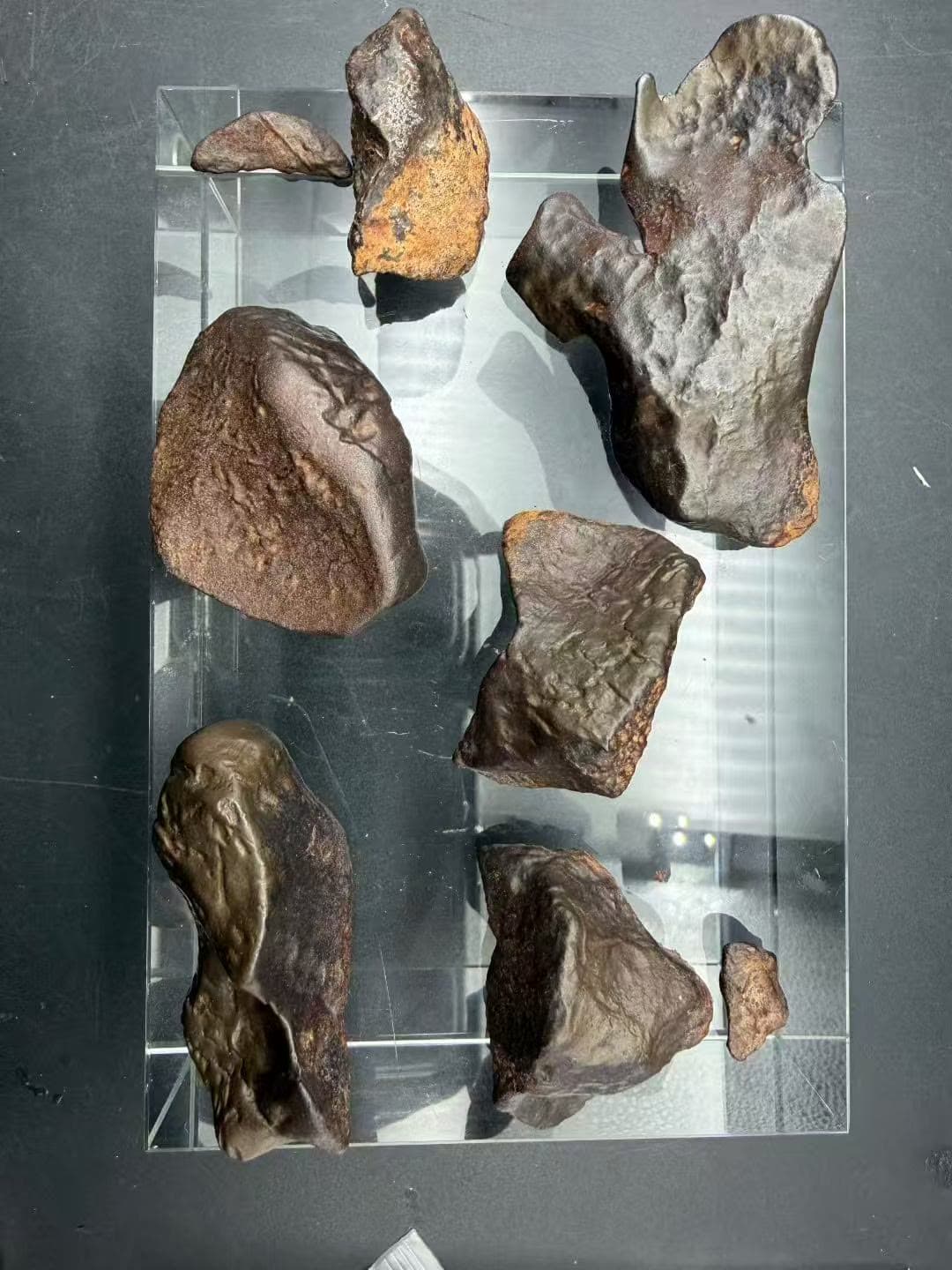
- Fusion crust — a thin dark skin from burning through the atmosphere.
- Chondrules — tiny round grains on a cut or broken face (a hand lens helps).
- Metal flecks — shiny specks of nickel-iron scattered through the rock.
- Some magnetism — those metal flecks make a magnet react.
- No vesicles, not in bedrock — holes or a home in rock layers mean terrestrial.
Chondrites are easy to confuse with Earth rocks, so testing confirms them — how to tell if a meteorite is real.
Collecting chondrites
A classified chondrite is a cornerstone of any meteorite collection — affordable, deeply ancient, and rich in story. Because they are mostly rock, chondrites are collected as specimens rather than worn; if you want a genuine piece of space to wear, an iron or stony-ironis the way to go. Either way, you’re holding 4.5 billion years of history.
Frequently asked questions
- A chondrite is the most common type of meteorite — a primitive stony meteorite that was never melted, so it still contains chondrules: tiny round droplets of rock that solidified in the early solar system. Because they were never reshaped inside a planet, chondrites are time capsules about 4.56 billion years old, preserving the original building blocks of the planets.