Meteorite Science
Mesosiderite: The Stony-Iron Meteorite Born From a Cosmic Collision
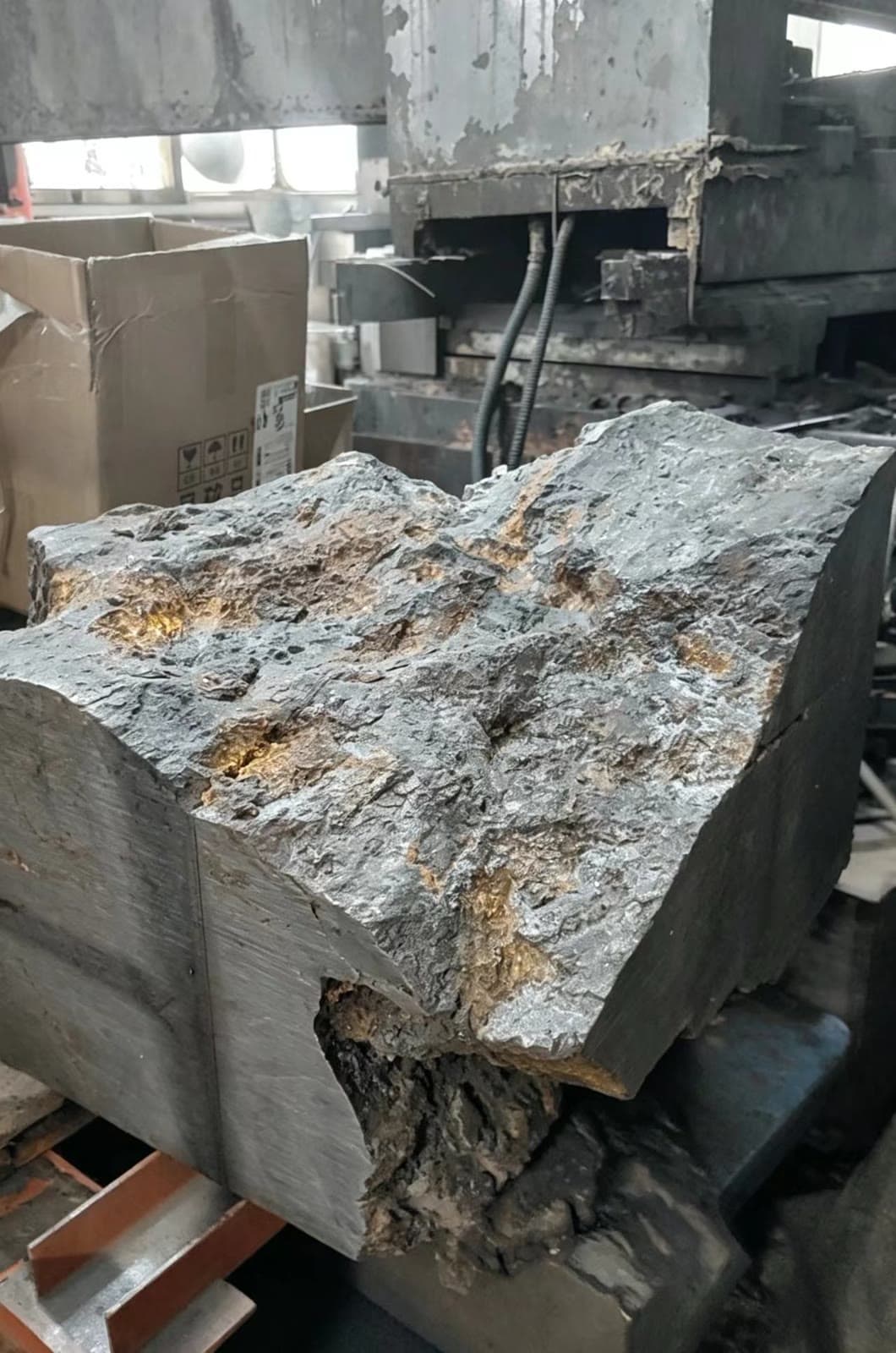
A mesosiderite is one of the two kinds of stony-iron meteorite — and one of the rarest meteorites of all. The name means “half iron,” and that is exactly what it is: a violent, broken-up mixture of nickel-iron metal and crustal rock, welded together after one asteroid smashed into another. Where its cousin the pallasite is serene and gem-like, the mesosiderite is pure cosmic wreckage.
What is a mesosiderite?
A mesosiderite is a breccia — a rock made of broken fragments cemented together. Here the fragments are roughly half metal (nickel-iron, the stuff of an iron meteorite) and half silicate rock (crustal material, like an achondrite). What makes that strange is that metal comes from deep inside a body and crust comes from its surface — two things that should never meet. In a mesosiderite, they are jumbled together. New here? Start with what is a meteorite.
Born from a collision
That collision origin is why mesosiderites fascinate scientists: they are a single stone that records a catastrophe — the moment two worlds became one.
Mesosiderite vs pallasite
Both are stony-irons, but they could hardly look more different.
| Pallasite | Mesosiderite | |
|---|---|---|
| The rock part | Gem-green olivine crystals | Broken grey crustal rock |
| How it formed | Clean core-mantle boundary of one body | Violent collision, mixed & welded |
| Look | Serene stained-glass gems in metal | Chaotic, mottled breccia |
| Jewelry use | Yes — prized for slices & rings | Rare; mostly a specimen |
If it is the green-gem beauty you are after, that is the pallasite — see our pallasite guide and the Sericho and Seymchan pallasites.
Famous examples
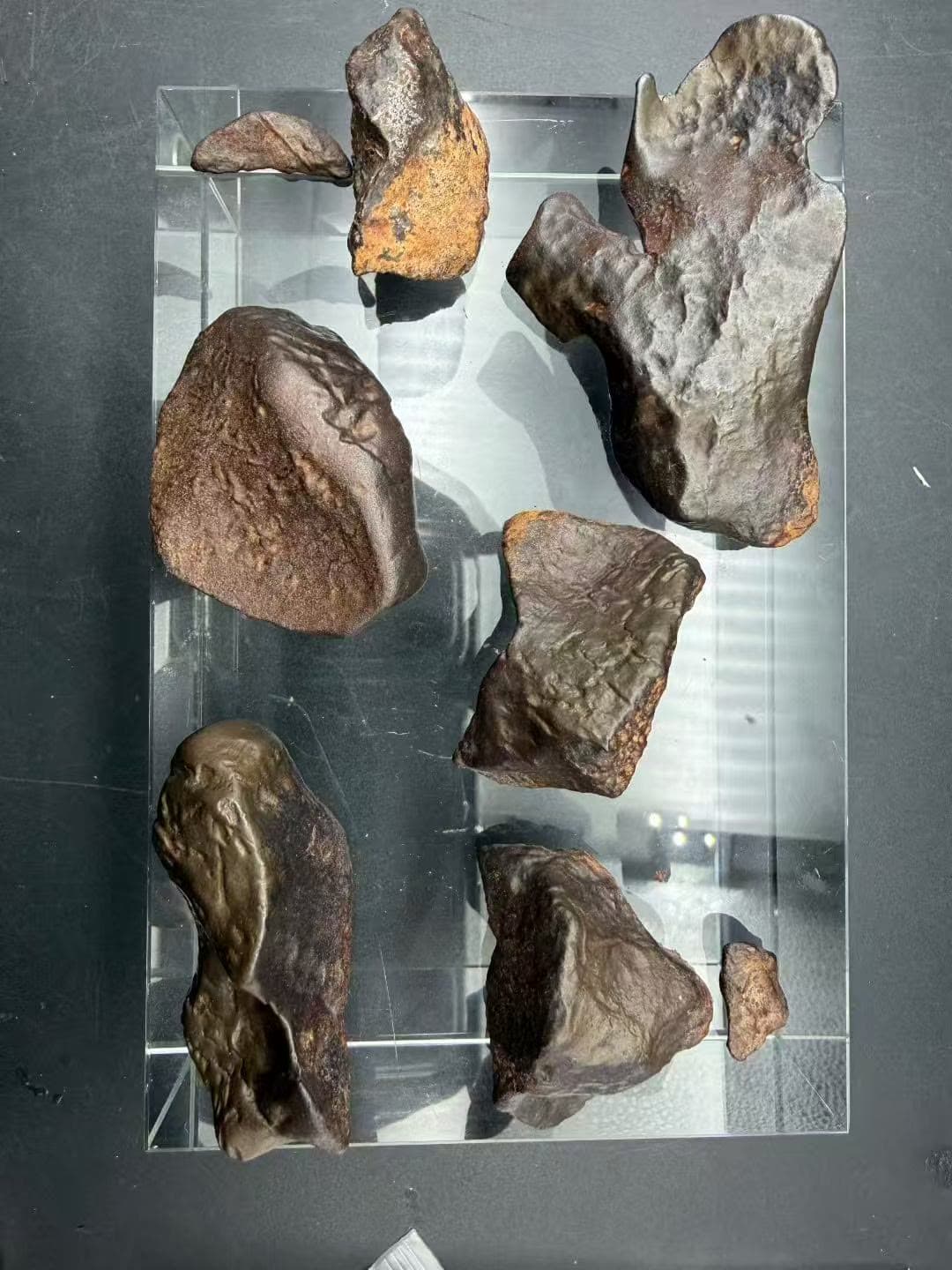
Well-known mesosiderites include Vaca Muerta (Chile), Estherville (USA, 1879), and NWA finds from the Sahara. None are as famous as the great irons or pallasites, precisely because they are so scarce — see the big names in the most famous meteorites.
How to spot one
- Heavy & magnetic — the high metal content makes it dense and strongly magnetic.
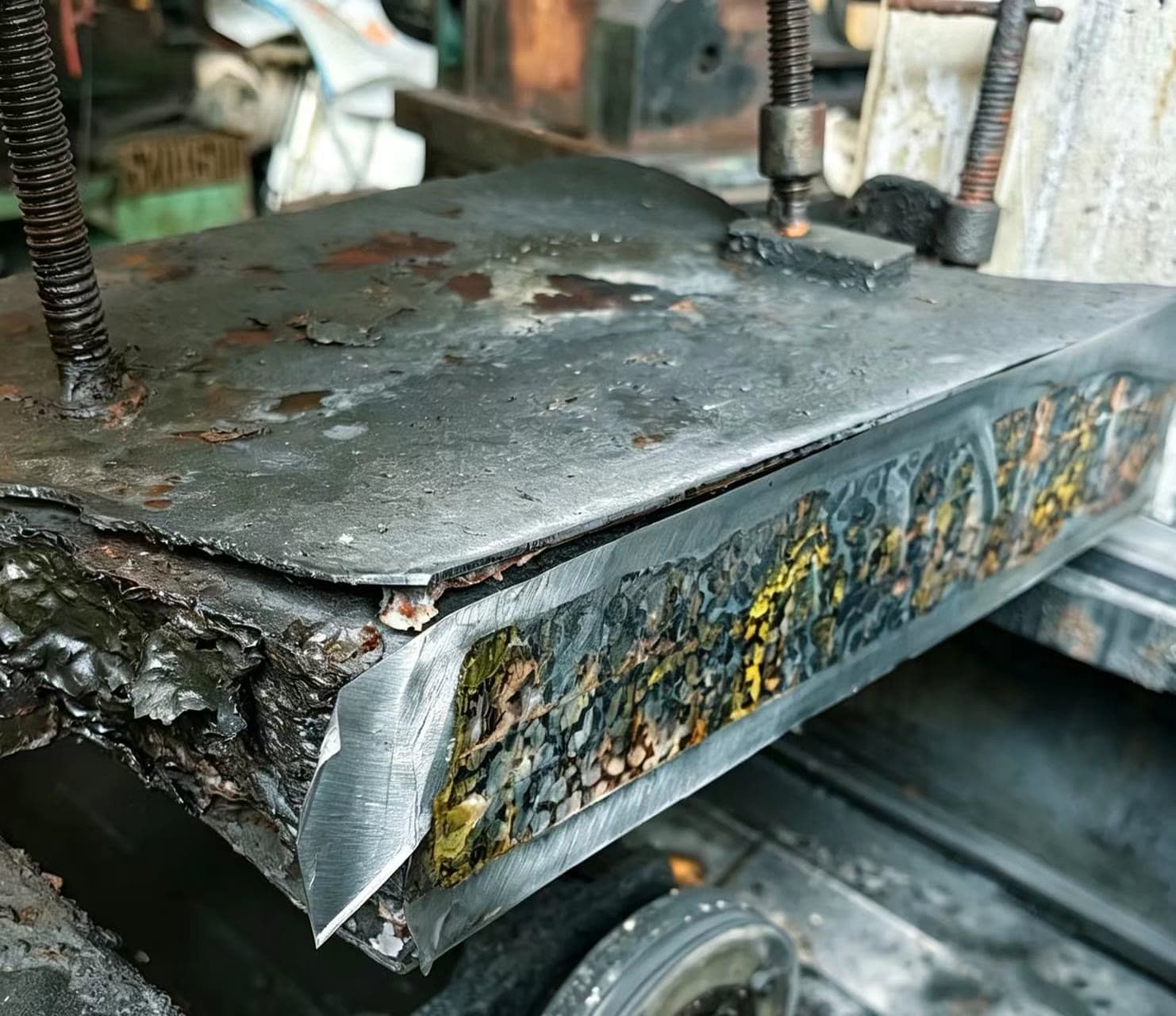
- Mottled cut face — shiny metal tangled with dull grey rock, not the clean pattern of an iron or the gems of a pallasite.
- No olivine gems — if you see green stained-glass crystals, it is a pallasite, not a mesosiderite.
- Lab classification — mesosiderites are rare and easy to mistake, so a genuine one is confirmed by a specialist.
As always, verify before you buy — see how to tell if a meteorite is real.
Collecting mesosiderites
A classified mesosiderite is a genuinely uncommon prize — the rarest branch of the rarest meteorite type, and a stone that records the collision of two worlds. It is collected as a specimen rather than worn. For wearable space metal, an iron or a gem pallasite is the way to go. See how every family connects in types of meteorites.
Frequently asked questions
- A mesosiderite is one of the two kinds of stony-iron meteorite. It is a breccia — a chaotic mixture of nickel-iron metal and broken silicate (crustal) rock, welded together after a violent collision between asteroids. The name means 'half iron,' because it is roughly half metal and half rock.