Meteorite Science
Stony Meteorite: The Most Common Meteorite Explained
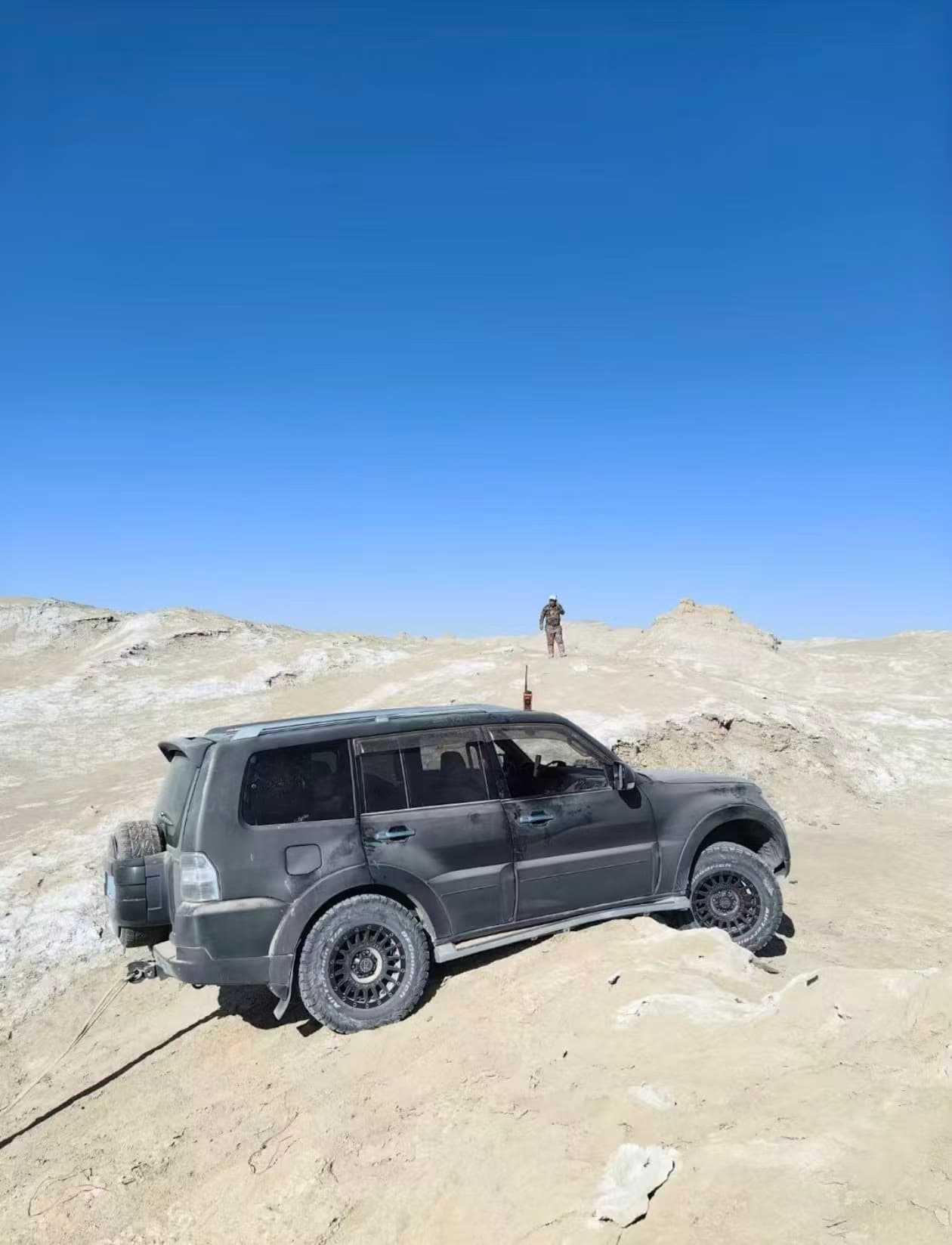
The stony meteorite is the most common kind of meteorite to fall to Earth — about 94% of all falls. Made of silicate rock rather than metal, stony meteorites are the great majority of material arriving from space, and they include some of the oldest and most scientifically important objects ever studied. It’s one of the three main meteorite types, alongside iron and stony-iron.
What is a stony meteorite?
A stony meteorite is a meteorite made mostly of rock (silicate minerals), with only small amounts of metal. That is the key difference from an iron meteorite, which is nearly pure nickel-iron. Because they are mostly rock, stony meteorites are lighter than irons, only weakly magnetic, and — once weathered — can look deceptively like ordinary Earth stones. New here? See what is a meteorite.
The most common meteorite
If you watched meteorites fall, about 19 out of every 20 would be stony. Yet they are underrepresented among finds, because an old stony meteorite blends into the landscape — which is exactly why meteorite hunters work pale deserts and ice fields, where a dark stone stands out against the ground.
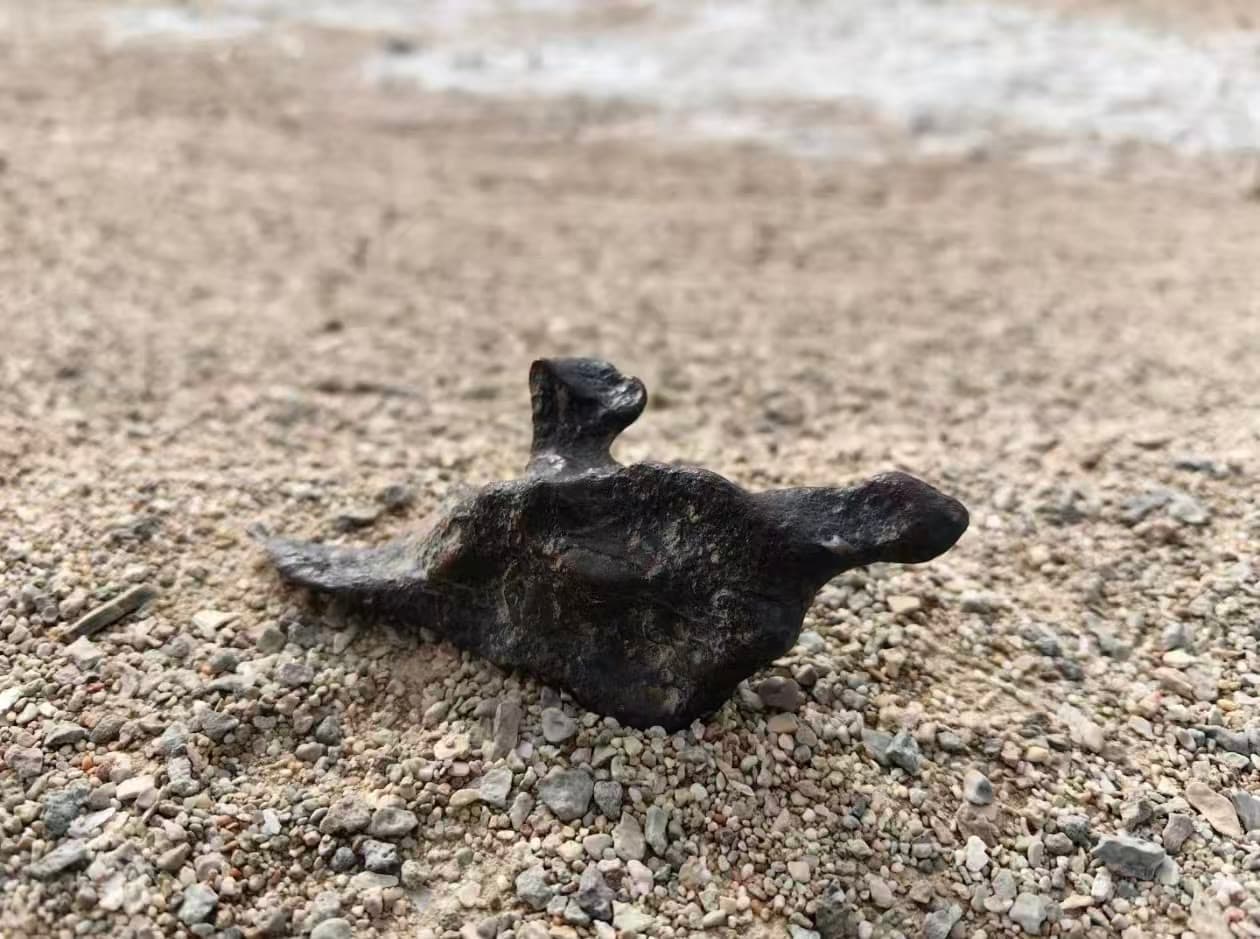
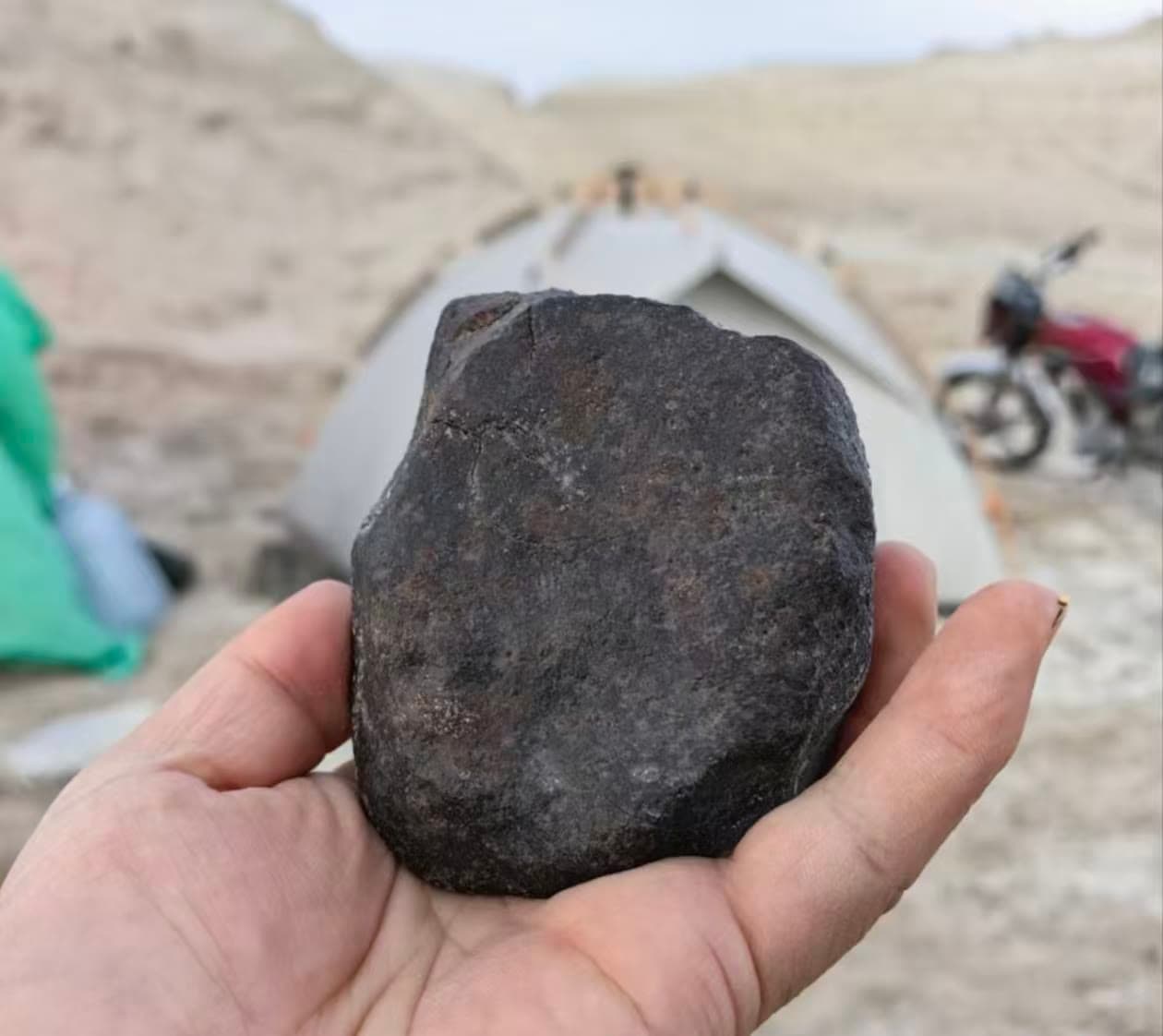
Chondrites vs. achondrites
Stony meteorites divide into two very different families:
| Chondrites | Achondrites | |
|---|---|---|
| What they are | Primitive, never melted | Once molten, re-formed |
| Chondrules? | Yes — tiny round droplets | No |
| Age / meaning | ~4.56 Gy time capsules | Pieces of planets & large asteroids |
| Examples | Ordinary, carbonaceous, enstatite | Mars, Moon & Vesta meteorites |
Chondrites are the primitive majority — see the chondrite guide. The achondrite family includes the astonishing meteorites from Mars and the Moon.
How to identify a stony meteorite
- Fusion crust — a thin, dark, matte-to-glossy skin from burning through the air.
- Density — a bit heavier than ordinary rock of the same size.
- Some magnetism — most contain metal flecks, so a magnet reacts (weaker than with an iron).
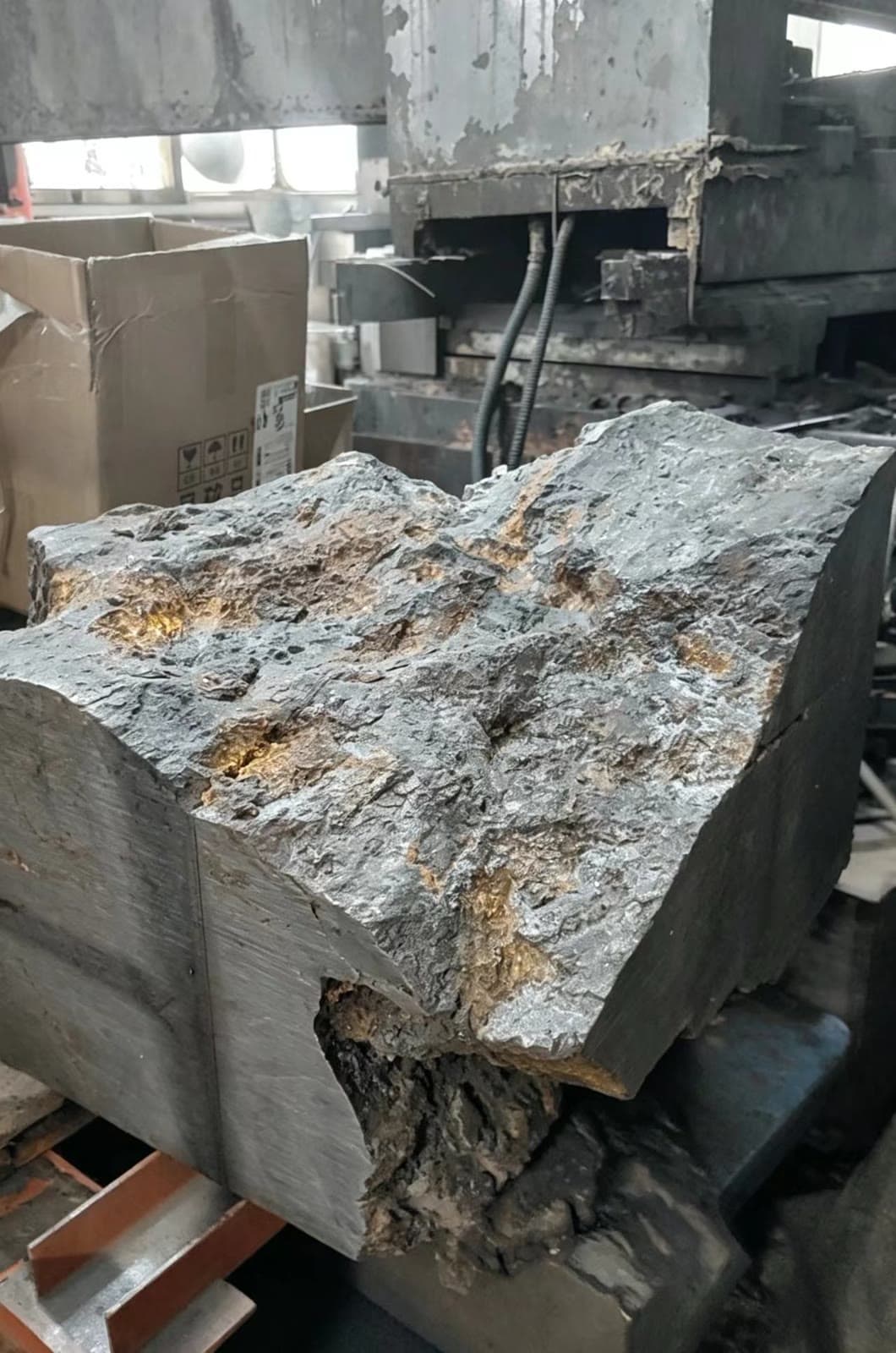
- Chondrules & metal flecks — tiny round grains and shiny specks on a cut face.
- No vesicles, not in bedrock — holes or a home in rock layers mean it’s terrestrial.
Stony meteorites fool people most often, so when in doubt, get it tested. Guide: how to tell if a meteorite is real.
Are stony meteorites valuable?
It depends entirely on the class. Common ordinary chondrites are among the most affordable meteorites because they are so abundant. But rare stony meteorites — carbonaceous chondrites carrying water and organic molecules, or achondrites from Mars and the Moon — are some of the most valuable objects on Earth. See how much a meteorite is worth.
Collecting stony meteorites
Stony meteorites are wonderful specimens, but because they are mostly rock, they are less often turned into jewelry than irons and pallasites, which take a metal polish. If you want a genuine piece of space to wear, an iron meteorite or a pallasite is the usual choice; for a specimen collection, a classified stony meteorite is a cornerstone. See our collector’s guide.
Frequently asked questions
- A stony meteorite is a meteorite made mostly of silicate rock, rather than metal. It's the most common type to fall to Earth — about 94% of observed falls. Stony meteorites split into two families: chondrites (primitive rock containing tiny spheres called chondrules) and achondrites (rock that was once molten, including meteorites from Mars, the Moon and the asteroid Vesta).