Buyer’s Guide
How to Buy a Meteorite: A Beginner's Buyer's Guide (2026)

Buying a genuine meteorite is easier — and more affordable — than most people expect. The whole game comes down to one word: documentation. A real meteorite has an official name, a classification, and a certificate; a fake has a good story and nothing else. This guide walks you through exactly where to buy, what to check, what your budget gets you, and how to avoid the common traps. New to the subject? Start with what is a meteorite.
Where to buy a meteorite
You have three realistic options, and they are not equally safe:
- Specialist meteorite dealers — the safest choice. They name and classify every piece, provide a certificate, and know their material. (That is what we do — we hunt our own stones and cut them in our own workshop.)
- General marketplaces (big auction & shopping sites) — mixed. Genuine pieces exist, but mislabeled and outright fake “meteorites” are extremely common. Only buy from sellers who name the meteorite and document it.
- Rock & gem shows — you can inspect in person, but expertise varies wildly. Ask for the classification and a certificate before you pay.
Wherever you buy, the rule is the same: if the seller can’t name and classify the meteorite, walk away.
The 4 things to check before you buy
- An official name & classification. Every genuine meteorite has a name (e.g. Gibeon, Campo del Cielo, Sericho) and a type. Vague labels like “space rock” are a red flag.
- A certificate of authenticity. It should list the name, type, classification and mass. Learn to read one in how to read a certificate of authenticity.
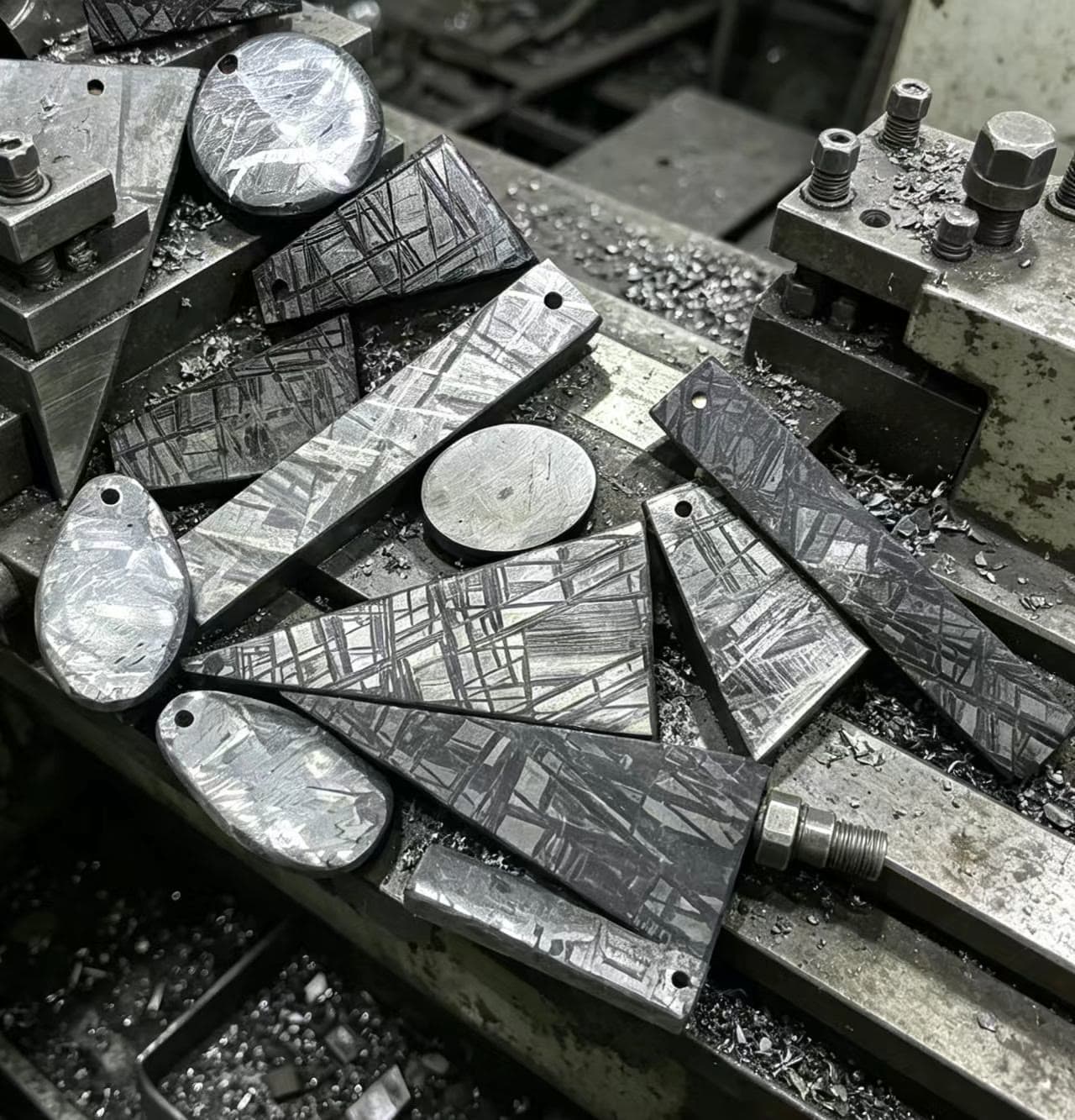
- Signs that match the type. For iron, the Widmanstätten pattern, high density and magnetism; for a pallasite, gem-green olivine. See how to tell if a meteorite is real.
- Honest photos of the exact piece. You should see the actual item you’ll receive, well lit, from multiple angles — not a stock image.
What you get for your budget
| Budget | What’s realistic | Good for |
|---|---|---|
| Under $50 | Small iron or chondrite specimen; Campo del Cielo piece | A genuine first meteorite / gift |
| $50–$300 | Etched iron slice; iron meteorite pendant or ring | A display piece or wearable |
| $300–$1,500 | Larger pallasite slice; fine jewelry; show specimen | A statement piece or collection centrepiece |
| $1,500+ | Large gem pallasite; rare classified material | Serious collectors |
These are general market ranges, not fixed prices — value depends on type, size, condition and documentation. For the full picture read how much is a meteorite worth.
Which type should you buy first?
- Want it to last and look striking? Buy an iron meteorite — durable, strongly magnetic, and showing the unmistakable Widmanstätten pattern.
- Want beauty and rarity? A pallasite with gem-green olivine — see the Sericho and Seymchan guides.
- Want deep age & story on a budget? A chondrite — 4.56-billion-year-old primitive rock.
- Want to wear it? A ring, pendant or earrings — see our meteorite jewelry guide.
Not sure which family is which? The types of meteorites guide lays them all out.
How to avoid fakes & scams
Common ways people get burned — and how not to:
- “Magnetic, so it’s a meteorite.” Many Earth rocks (and slag) are magnetic. Magnetism alone proves nothing.
- No name, no classification. A genuine meteorite is a named, classified thing. “Rare space rock” with no name is a story, not a specimen.
- Pictures that aren’t the item. Insist on photos of the exact piece you’ll receive.
- Prices too good to be true. A “lunar meteorite” for a few dollars is not a lunar meteorite.
- No certificate, or a vague one. The certificate should name the meteorite and its classification — not just say “genuine.”
A simple, safe first purchase
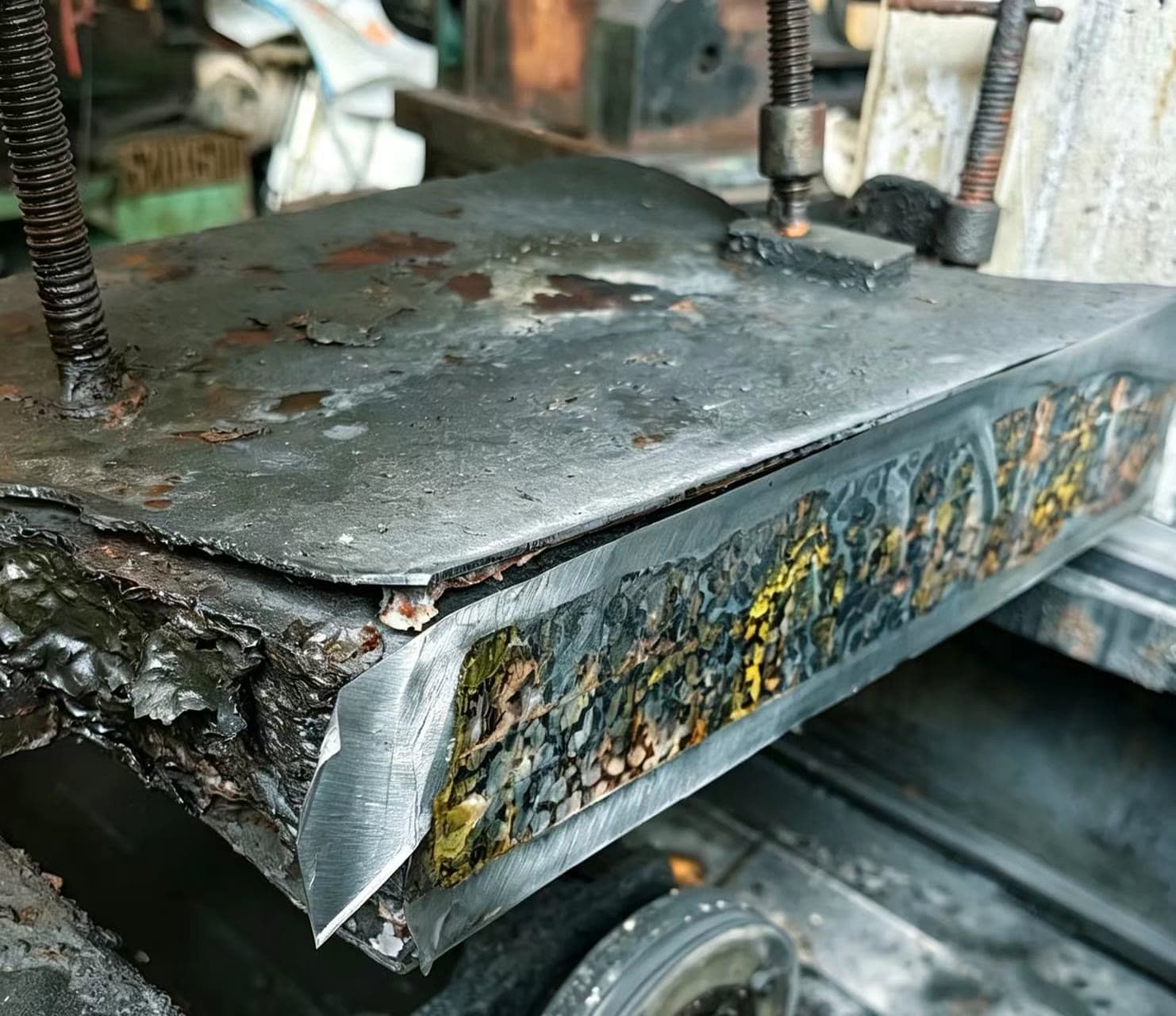
If you just want one genuine piece without overthinking it: buy a classified iron meteorite slice or an iron meteorite pendantfrom a dealer who provides a certificate. It’s affordable, visually unmistakable, durable, and — in pendant form — needs no sizing, which makes it a foolproof gift. Every piece we sell is a meteorite we hunted and cut ourselves, and ships with a certificate of authenticity.
Frequently asked questions
- Buy from a specialist dealer who states each piece's official meteorite name and classification, provides a certificate of authenticity, and shows clear photos of the actual item. Specialist sellers are safer than general marketplaces, where mislabeled or fake 'meteorites' are common. The single most important thing is documentation: a named, classified meteorite with a certificate.